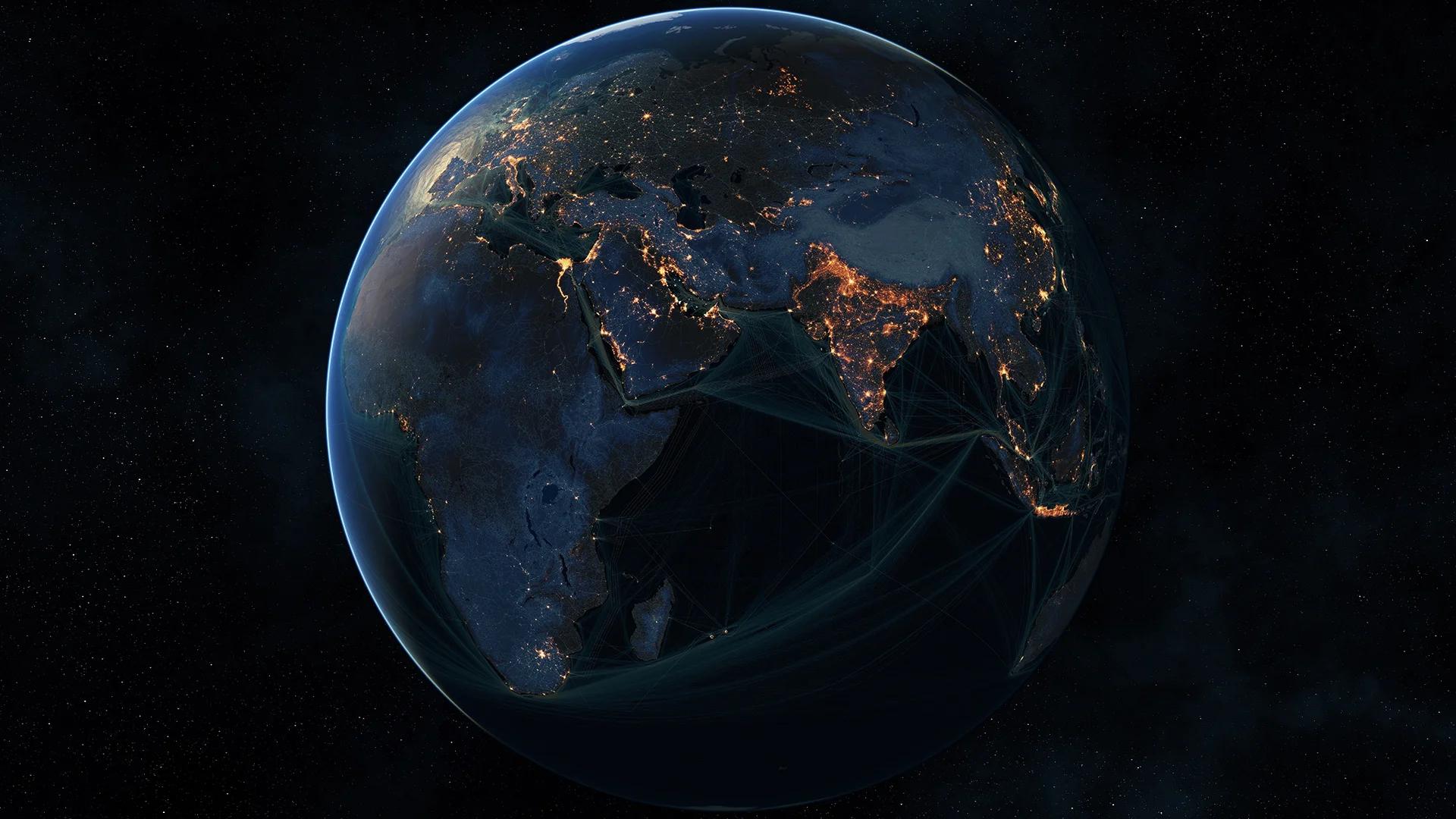
Last updated: May 13, 2026
In Brief
Stockholm Resilience Centre | Convention on Biological Diversity
An Urbanizing Planet
Created in 2013 for the Cities and Biodiversity Outlook project. Since then, the global urban population has risen to 55% (UN, 2025), with 68% projected by 2050. Recent research shows that urban expansion from 2016–2050 could threaten up to 855 species and impact 110,000–190,000 km² of natural habitats, with 35% of hillside urban growth occurring within biodiversity hotspots.
Acclaimed Hollywood actor Edward Norton, who also serves as a Goodwill Ambassador to the United Nations Convention on Biological Diversity (CBD), has generously contributed his vocal talents to a newly released video. This informative and engaging piece delves into the complexities and potential solutions associated with the rapid urbanization of our planet. As cities continue to grow and expand, Norton’s narration sheds light on the unique challenges we face, as well as the opportunities that arise from this evolving landscape, emphasising the importance of sustainable development and responsible urban planning.
The video was produced to present the framework of a new book Global Urbanization, Biodiversity, and Ecosystems: Challenges and Opportunities — A Global Assessment. The scientific foundation of the Cities and Biodiversity Outlook project, the book presents the world’s first assessment of how global urbanisation and urban growth impact biodiversity and ecosystems. It builds on contributions by more than 200 scientists worldwide.
The book and video were launched in New York as part of UN-Habitat´s World Habitat Day 2013 celebrations. The book states that over 60 percent of the land projected to become urban by 2030 has yet to be built, but emphasizes that this presents a major opportunity to greatly improve global sustainability. By promoting low-carbon, resource-efficient urban development, it is possible to reduce adverse effects on biodiversity and improve quality of life, it says.
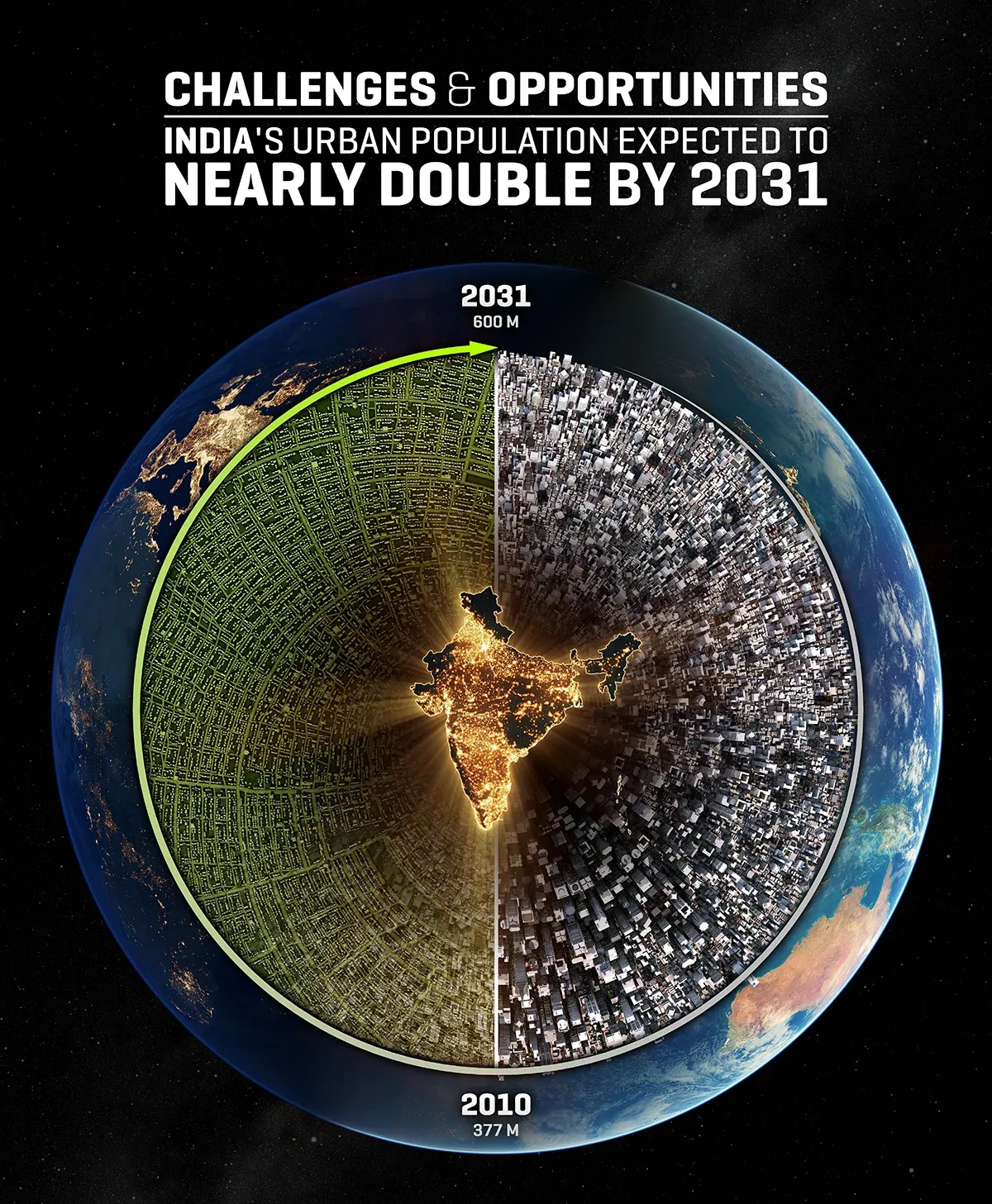
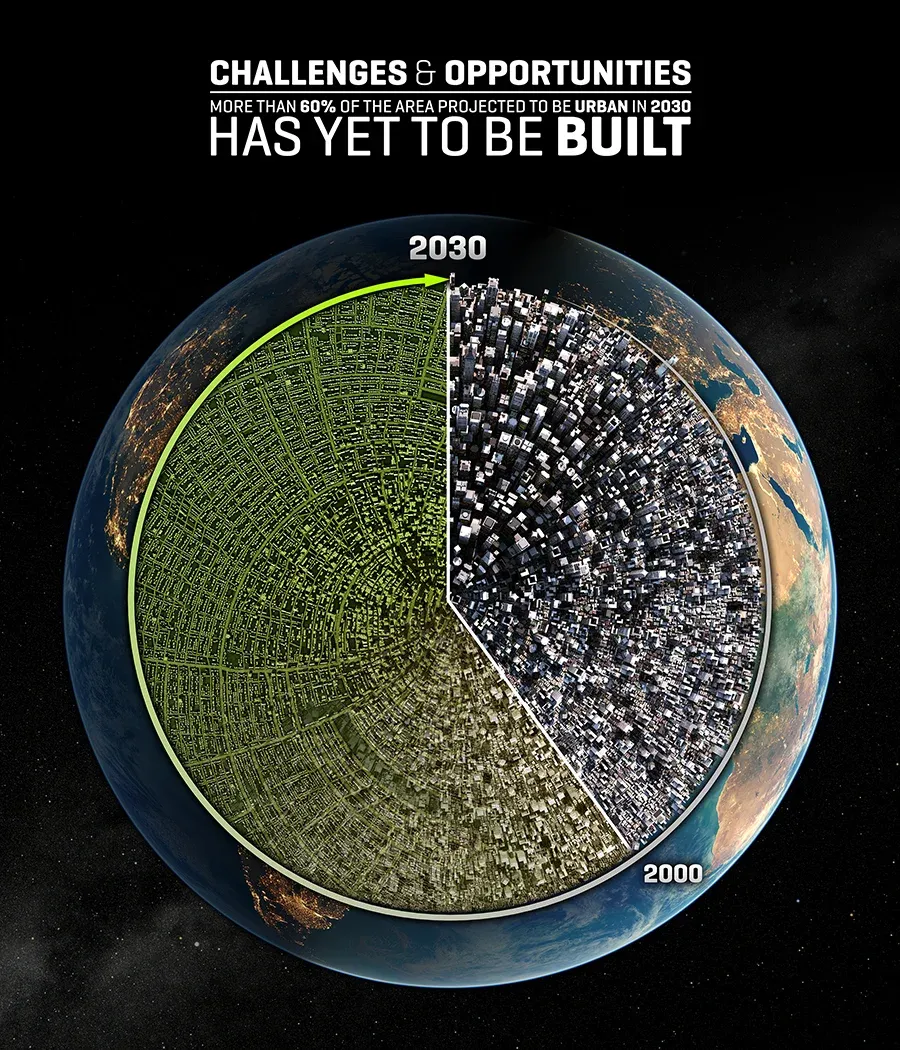
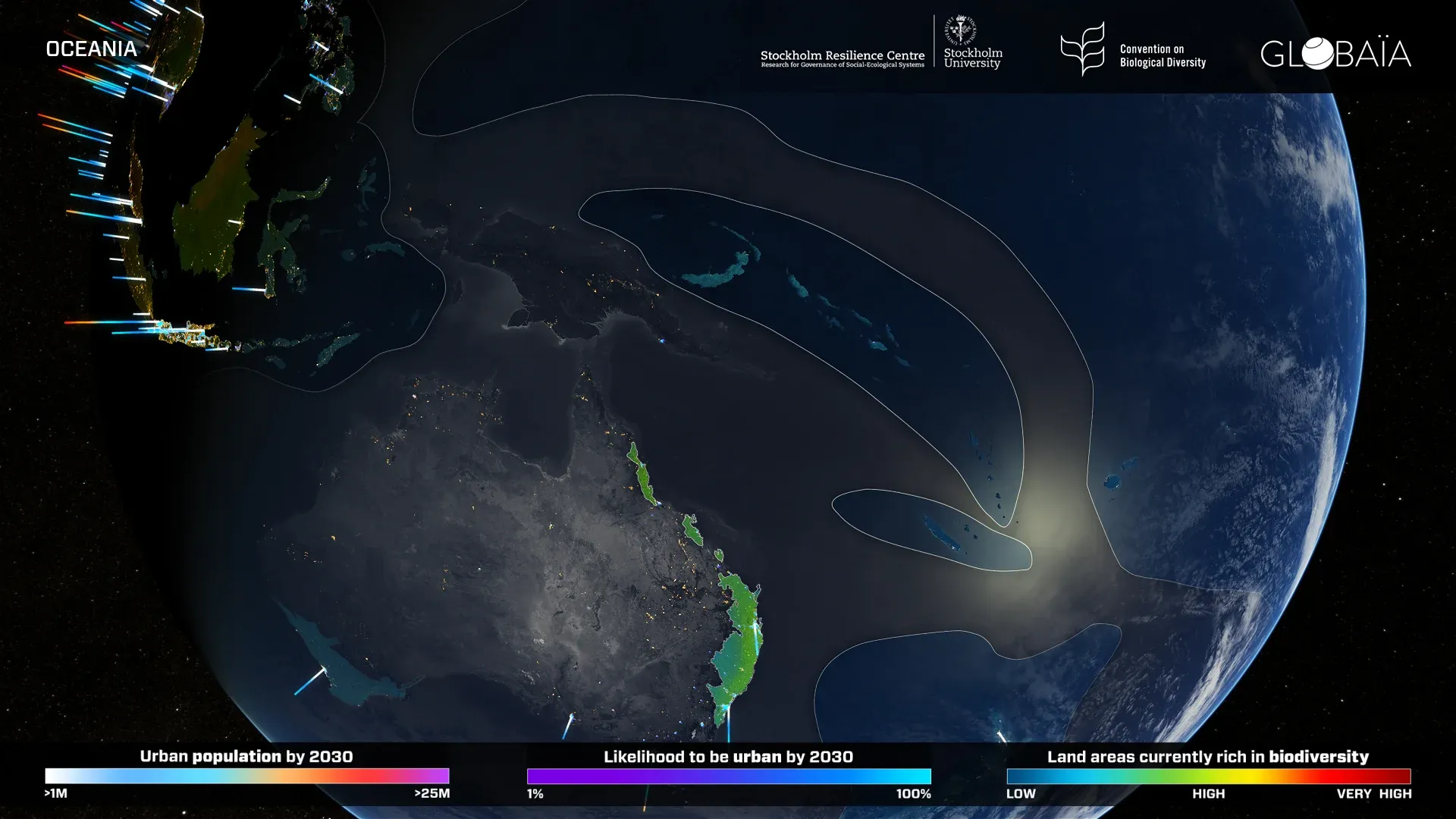
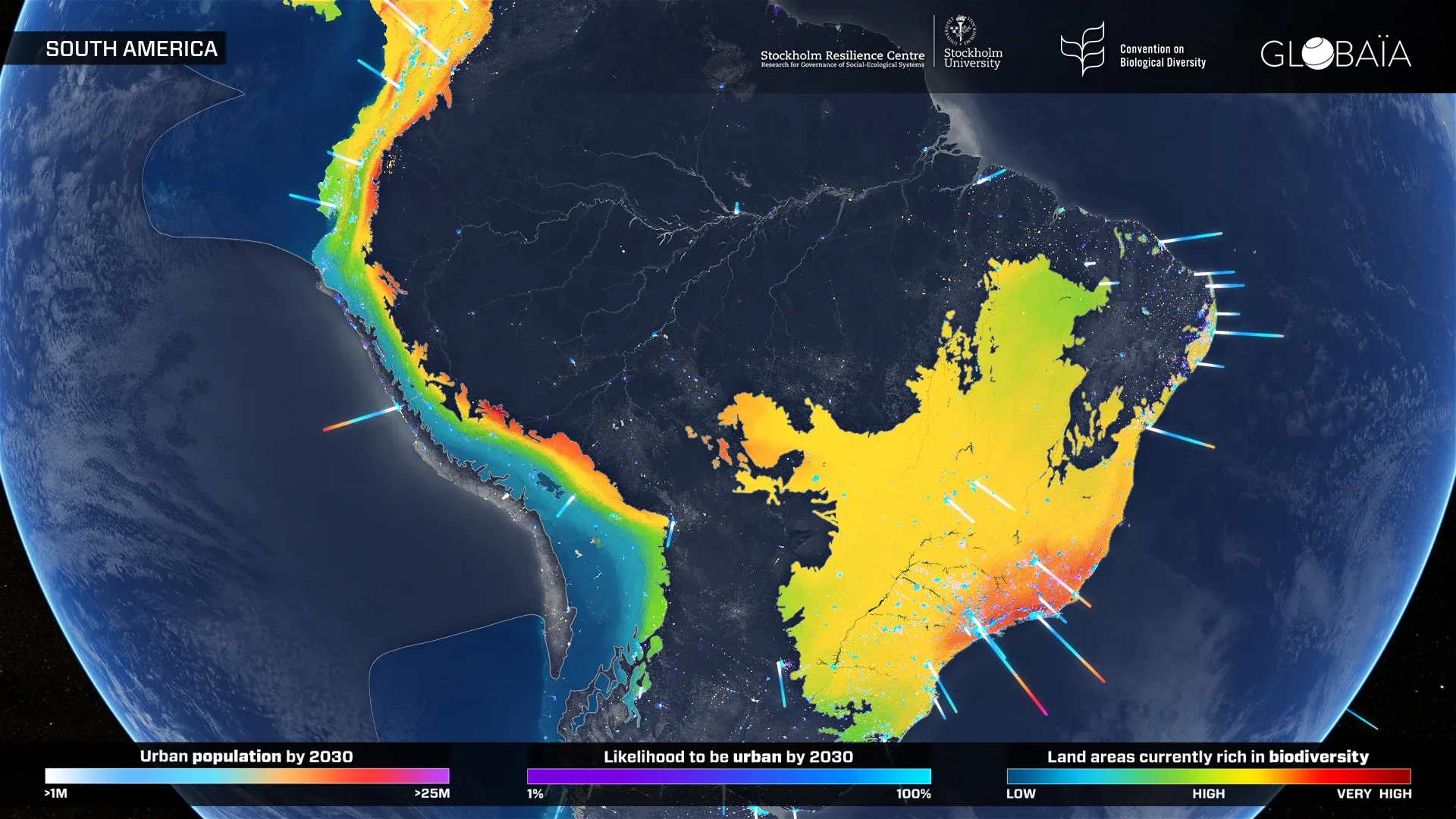
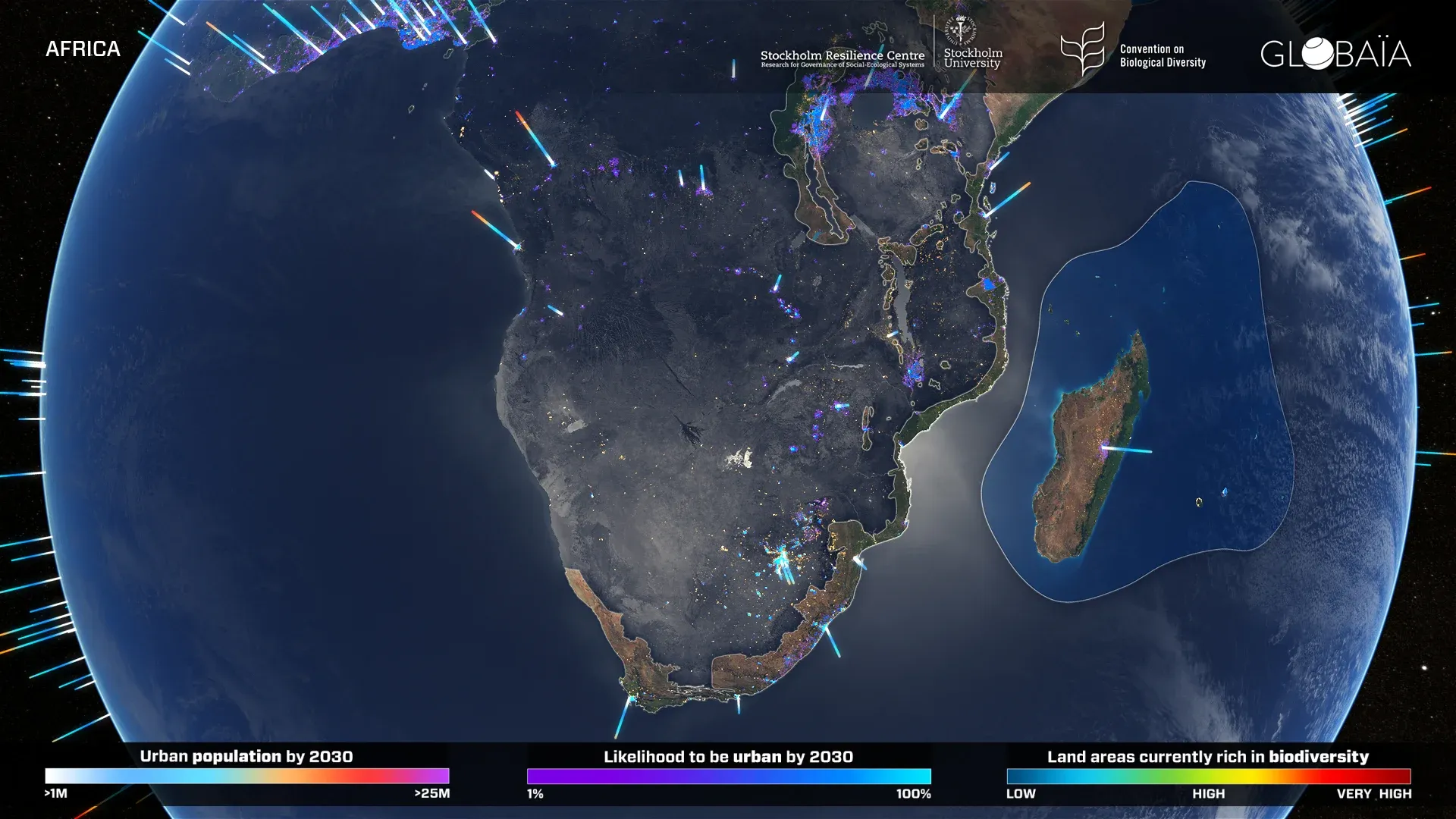
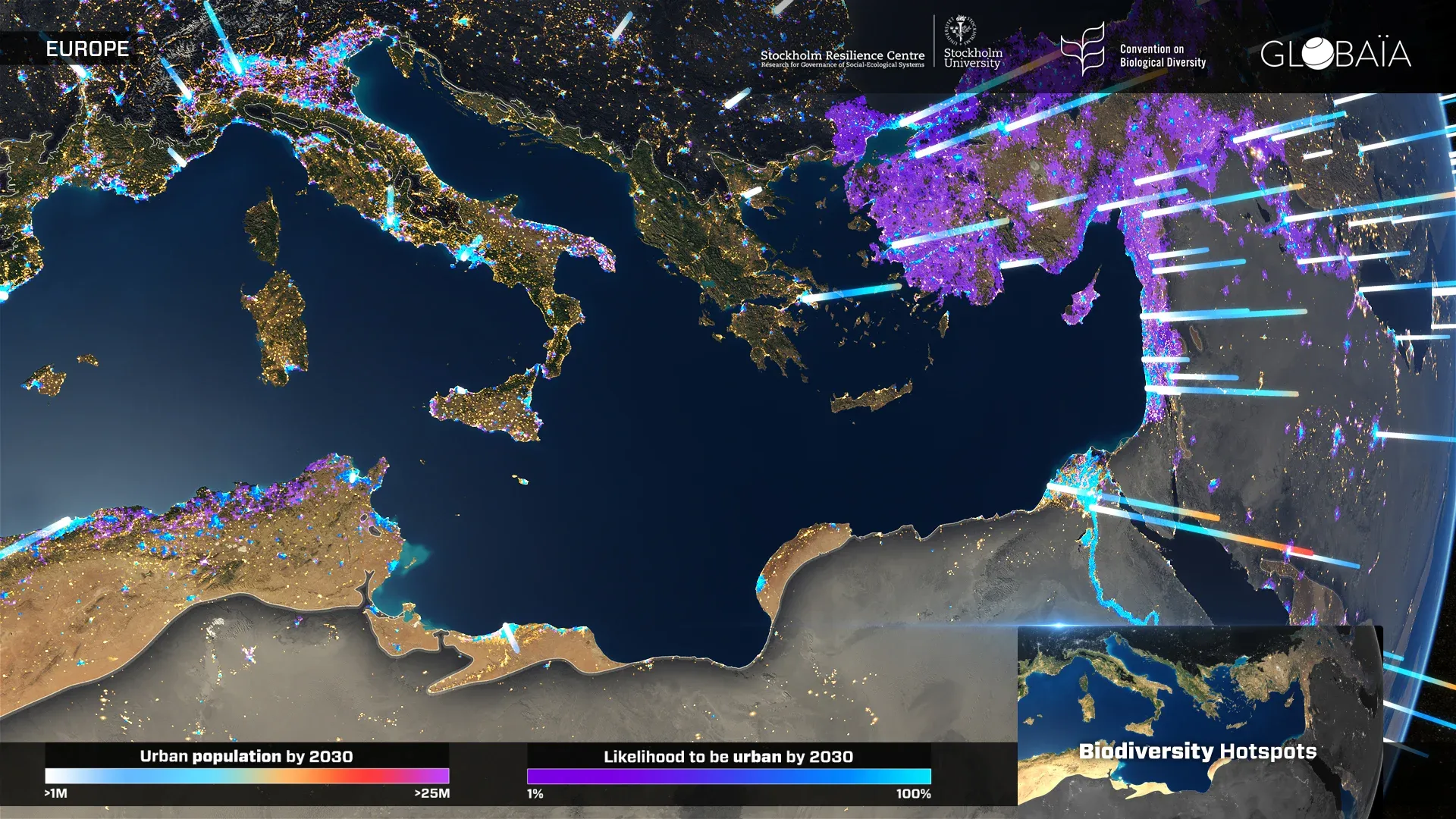
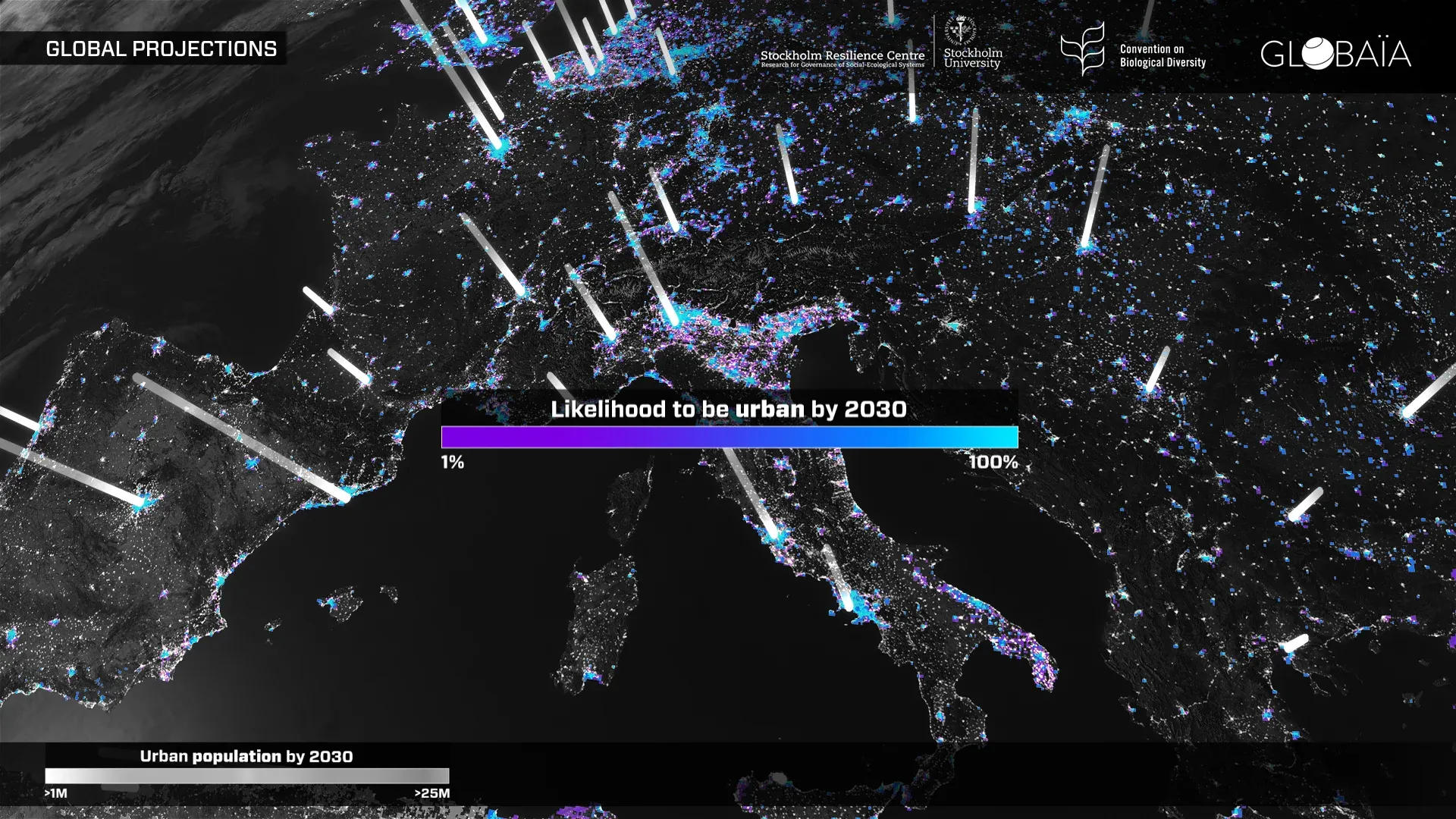
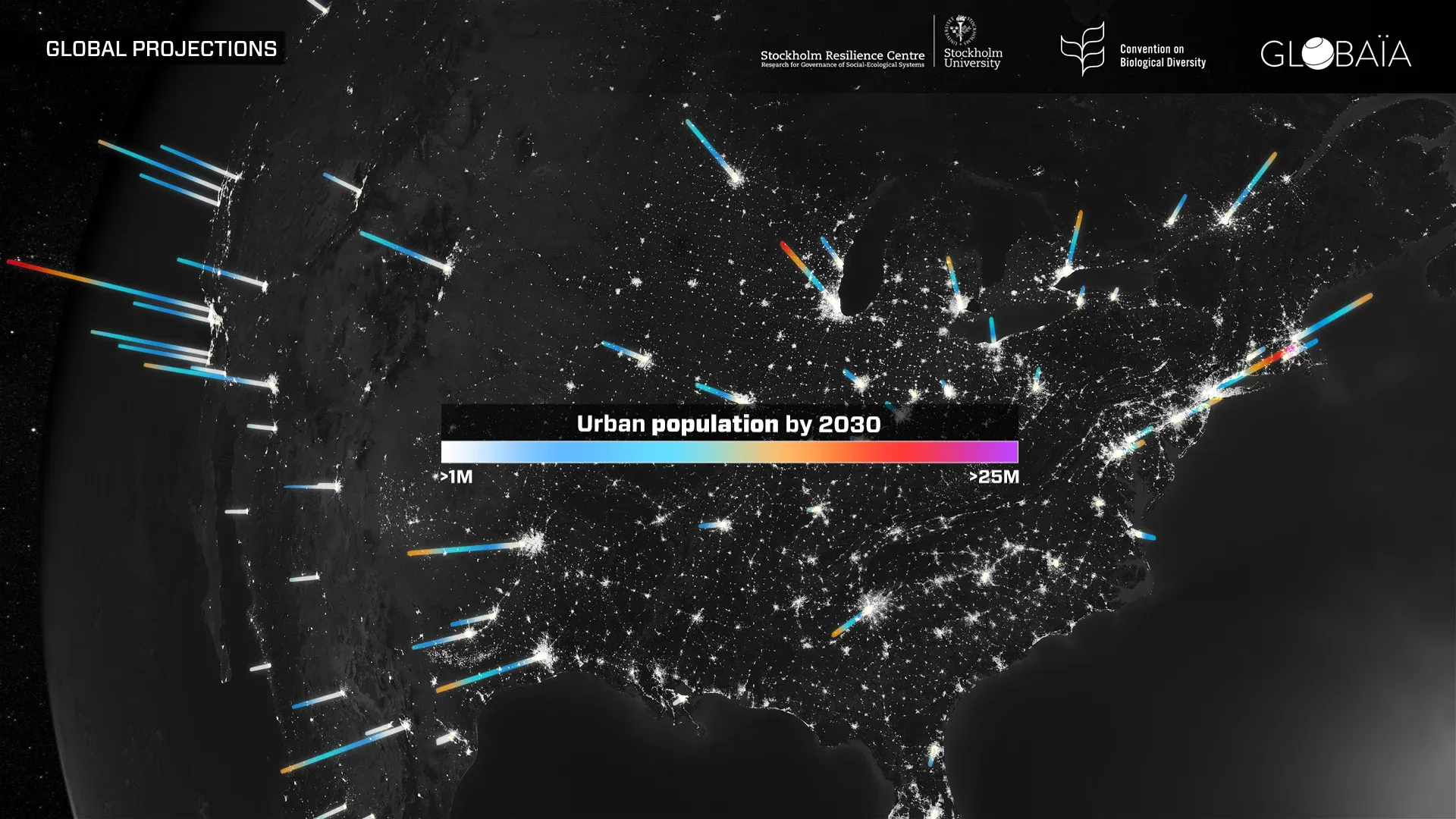
Stills from An Urbanizing Planet — Cities and Biodiversity Outlook project, presenting the world’s first assessment of how global urbanisation and urban growth impact biodiversity and ecosystems