Last updated: October 7, 2024
In Brief
SILVERBACK FILMS | NETFLIX | DK
Breaking Boundaries
The Science of Our Planet
We were honoured to collaborate with Silverback Films and DK on two significant projects: a Netflix documentary and a book, both of which shed light on critical environmental issues.
The documentary, directed by Jonathan Clay and featuring narration by Sir David Attenborough, delves into the scientific journey of the esteemed scientist, Professor Johan Rockström. This journey led to the identification of planetary limits, or Planetary Boundaries, which we must not surpass in order to maintain a stable Earth system. The film emphasizes the importance of staying within these boundaries to ensure our planet’s sustainability.
On Earth Day 2021, a 10-minute segment of the documentary was live-streamed during President Biden’s Virtual Leaders Summit on Climate, just prior to Pope Francis’ address. This event highlighted the significance of the film’s message and its impact on global climate discussions.
Additionally, a book co-authored by Professor Johan Rockström and Owen Gaffney features a foreword by climate activist Greta Thunberg. The book contends that the 2020s must witness the swiftest economic transition and transformation in history to address the growing environmental challenges. It emphasizes the urgency of taking decisive action to protect our planet, outlining potential strategies and solutions to foster a more sustainable future.
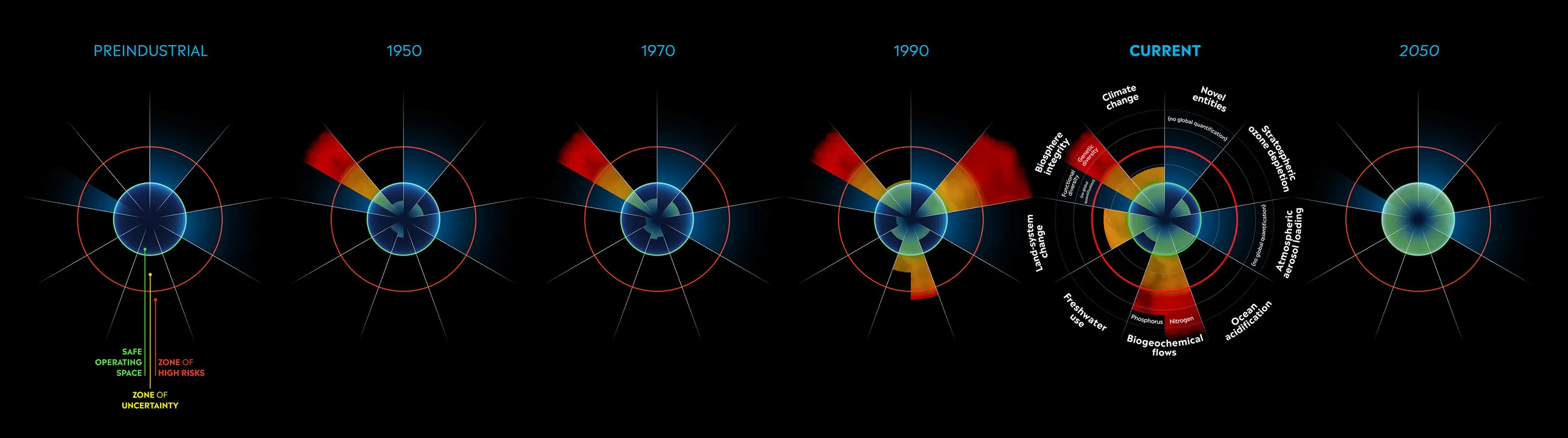
The 9 Planetary Boundaries Over Time. Societies must evolve to thrive within the Safe Operating Space defined by these biophysical limits.
The Documentary
Probably the most important documentary that has ever been filmed.
Attenborough’s documentary puts everything into perspective, not just the way we impact our planet, but specifically the way we can solve our environmental crises. It’s an incredible journey into the science of our living planet. This may be the most comprehensive narrative yet.
Breaking Boundaries – The Science Of Our Planet is narrated by Sir David Attenborough and made by award-winning filmmakers Silverback Films, the team behind the landmark Our Planet series and David Attenborough — A Life On Our Planet.
This film lays out the science that underpins the narrative of both of these influential programmes. Breaking Boundaries follows the scientific journey of world-renowned scientist Professor Johan Rockström. It tells the story of the most important scientific discovery of our time — that humanity has pushed Earth beyond the boundaries that have kept Earth stable for 10,000 years, since the dawn of civilisation.
The 75-minute film takes the audience on a journey of discovery of planetary thresholds we must not exceed, not just for the stability of our planet, but for the future of humanity. It offers up the solutions we can and must put in place now if we are to protect Earth’s life support systems.
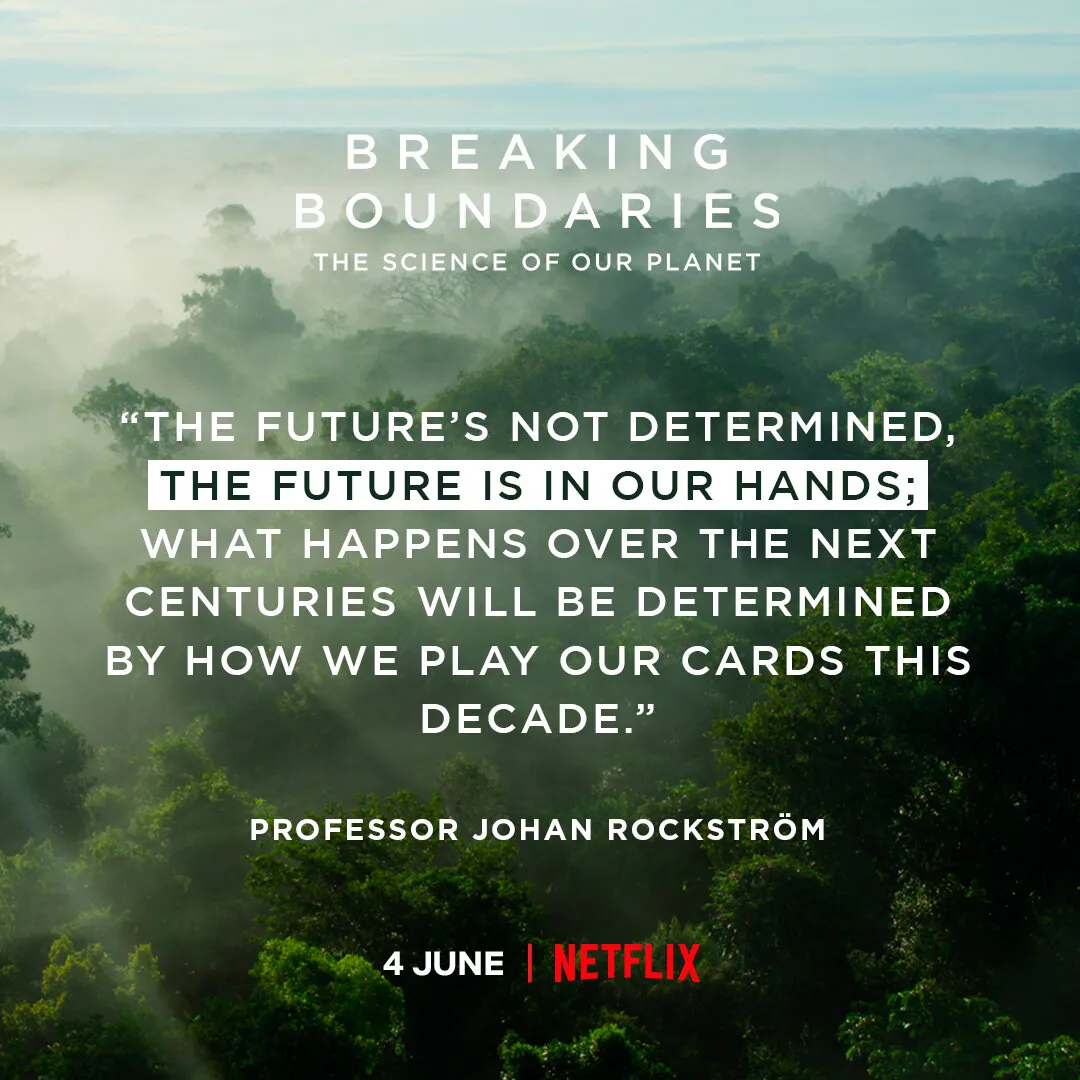
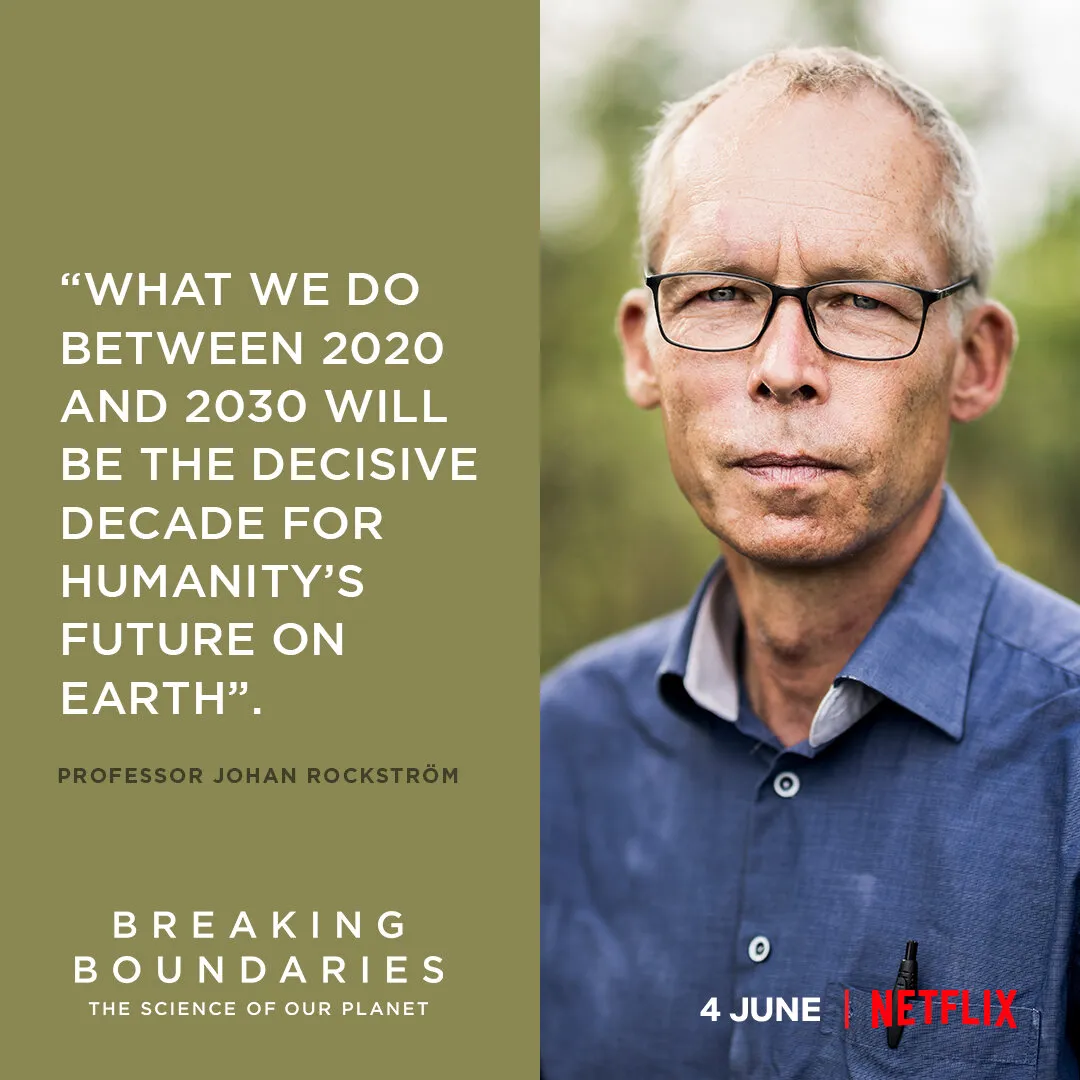
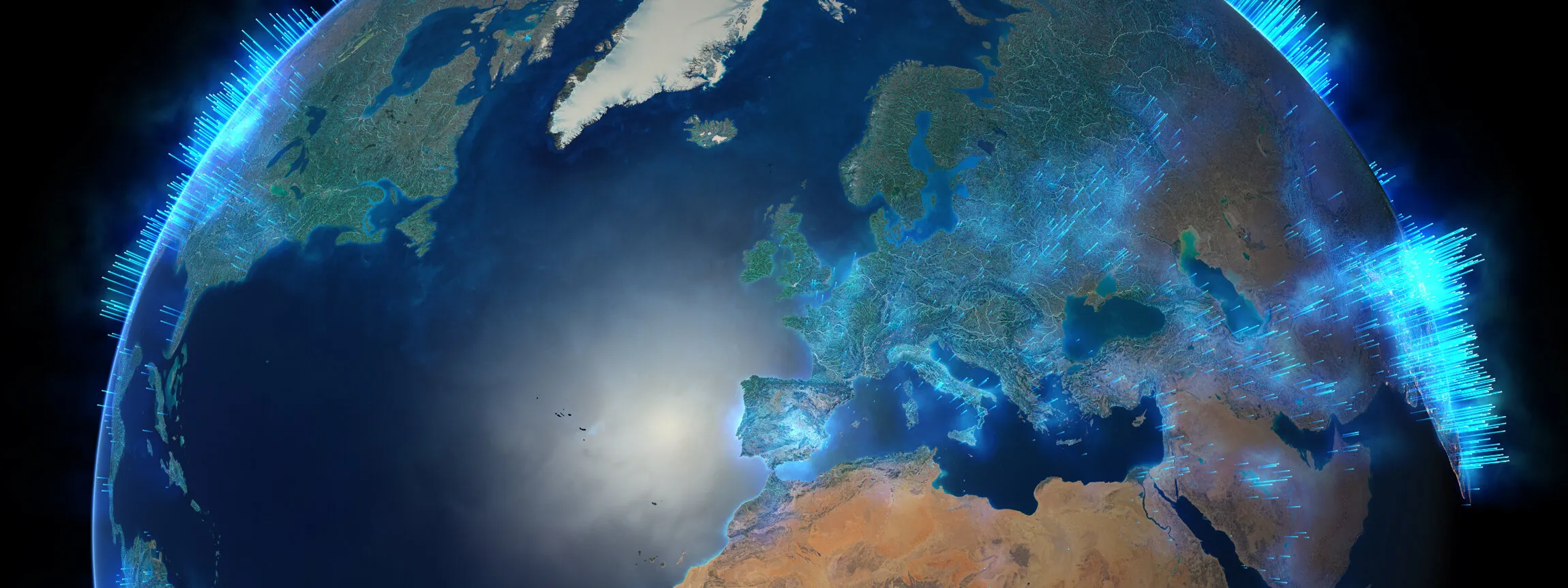
Artboards from the Breaking Boundaries documentary — data-driven visualizations of planetary limits.
Sample Stills + R&D

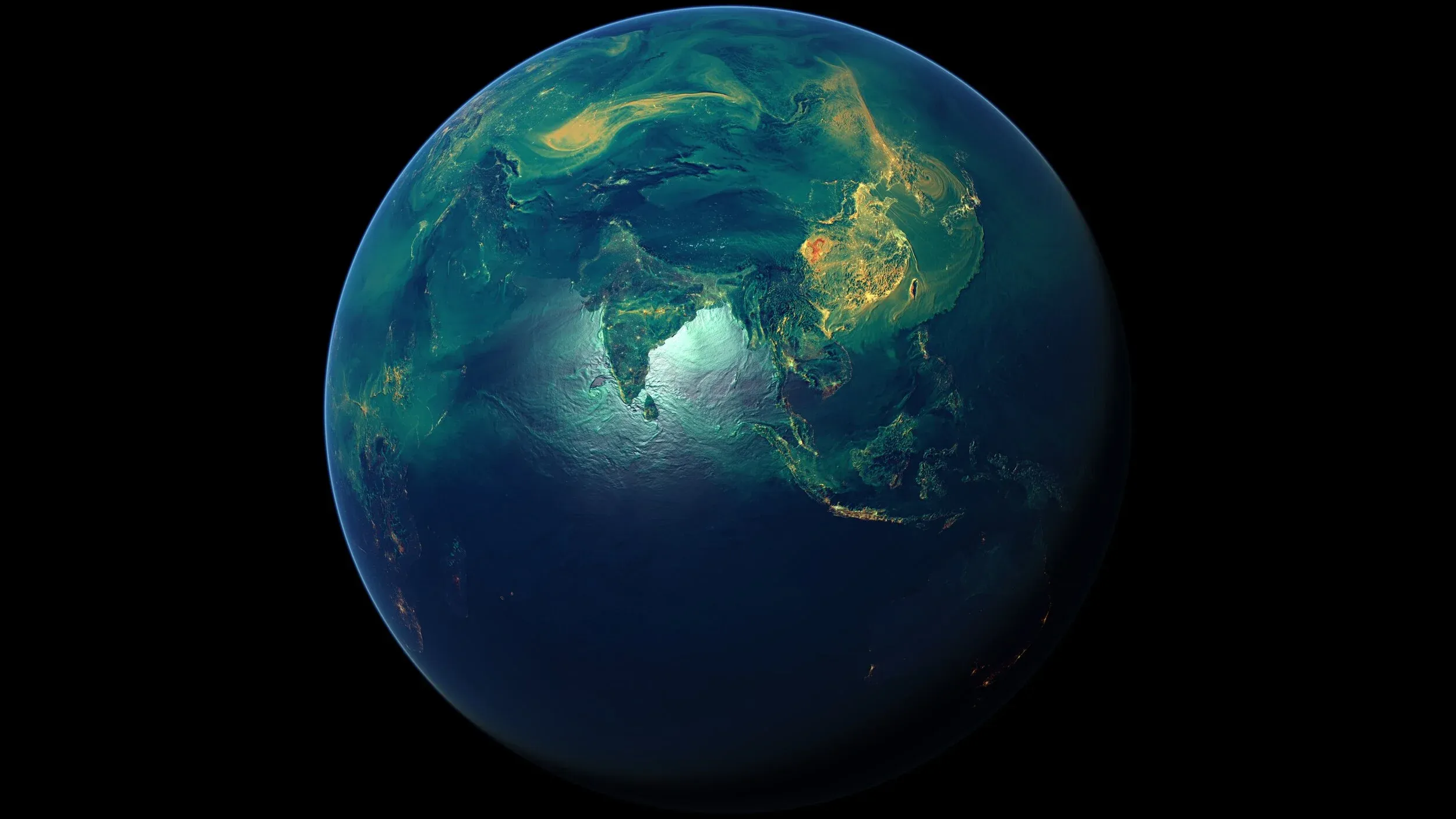
CO2 Emissions da Silva, A.M., W. Putman and J. Nattala, 2014: File Specification for the 7-km GEOS-5 Nature Run, Ganymed Release (Non-hydrostatic 7-km Global Mesoscale Simulation). GMAO Office Note No. 6 (Version 1.0), 176 pp.
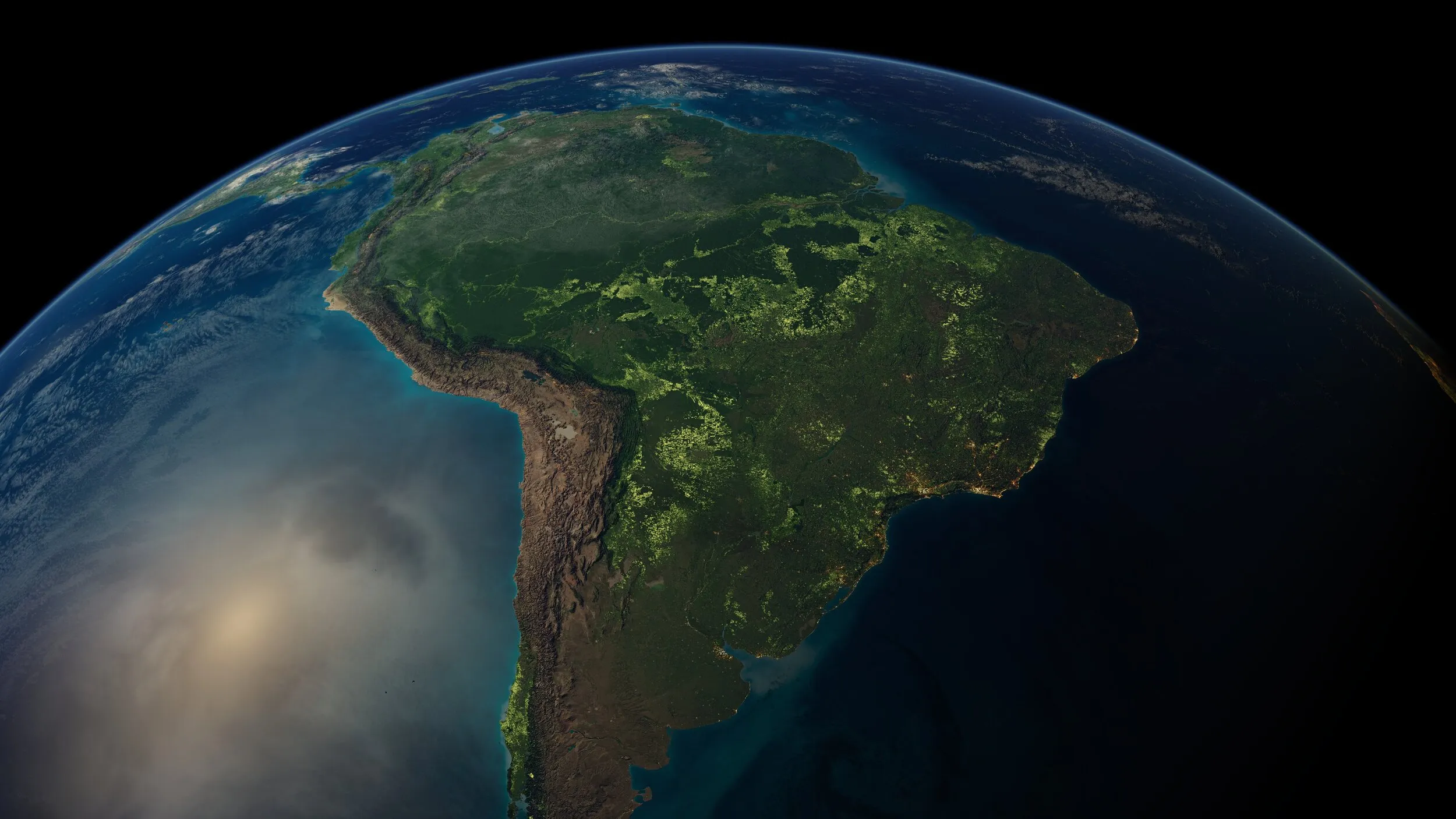
Amazon Deforestation (2000-2019) Hansen/UMD/Google/USGS/NASA
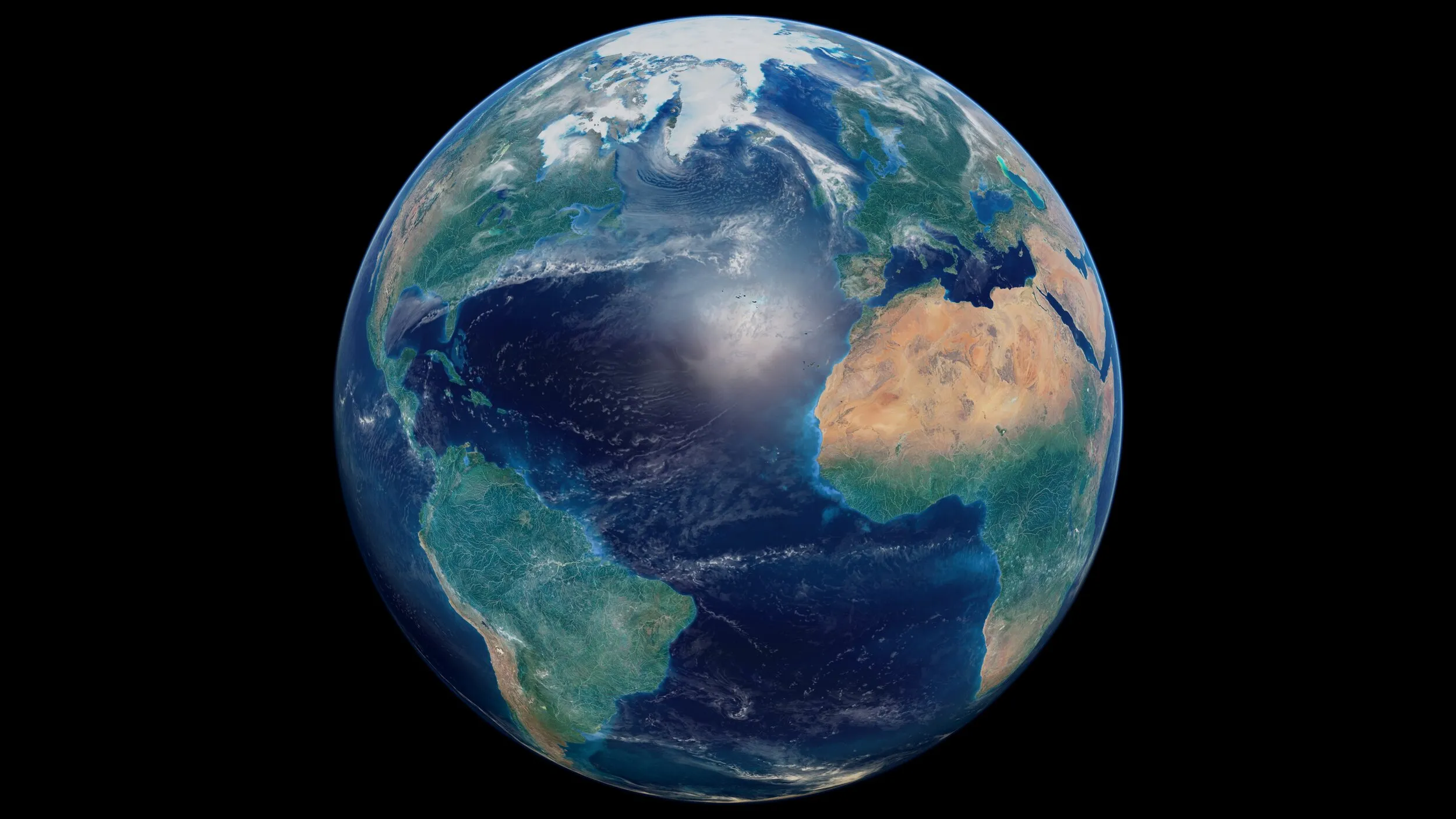
Holocene Earth — GLOBAÏA’s aggregated Holocene Earth & Global River Classification (GloRiC). Ouellet Dallaire, C., Lehner, B., Sayre, R., Thieme, M. (2018): A multidisciplinary framework to derive global river reach classifications at high spatial resolution. Environmental Research Letters. doi: 10.1088/1748-9326/aad8e9
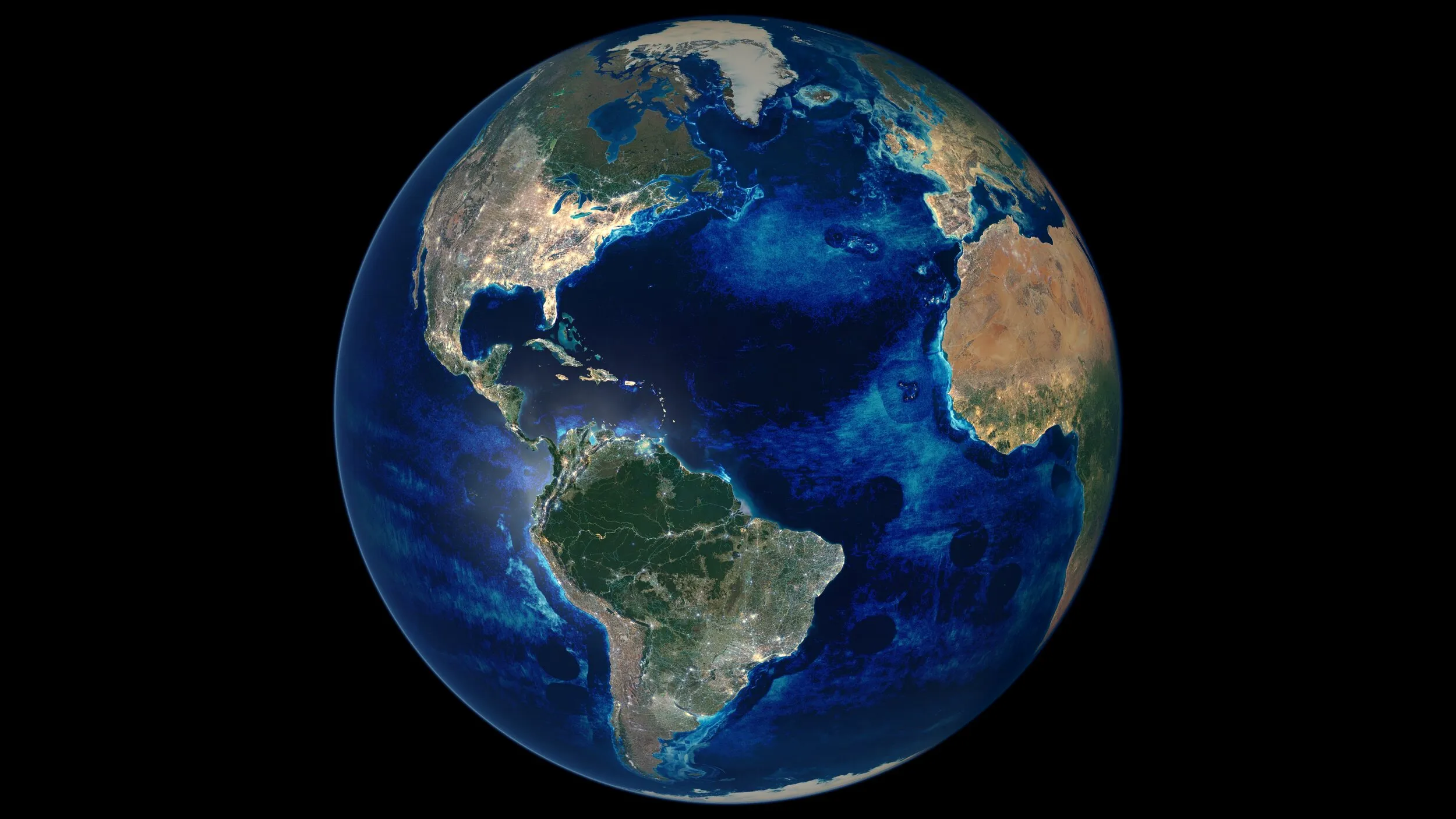
Anthropocene Earth — GLOBAÏA’s aggregated Anthropocene Earth & Global Fishing Watch ©
Water Extraction Sutanudjaja, E. H., van Beek, R., Wanders, N., Wada, Y., Bosmans, J. H. C., Drost, N., van der Ent, R. J., de Graaf, I. E. M., Hoch, J. M., de Jong, K., Karssenberg, D., López López, P., Peßenteiner, S., Schmitz, O., Straatsma, M. W., Vannametee, E., Wisser, D., and Bierkens, M. F. P.: PCR-GLOBWB 2: a 5 arcmin global hydrological and water resources model, Geosci. Model Dev., 11, 2429–2453, https://doi.org/10.5194/gmd-11-2429-2018, 2018. de Graaf, I.E.M., Gleeson, T., (Rens) van Beek, L.P.H. et al. Environmental flow limits to global groundwater pumping. Nature **574,**90–94 (2019). https://doi.org/10.1038/s41586-019-1594-4
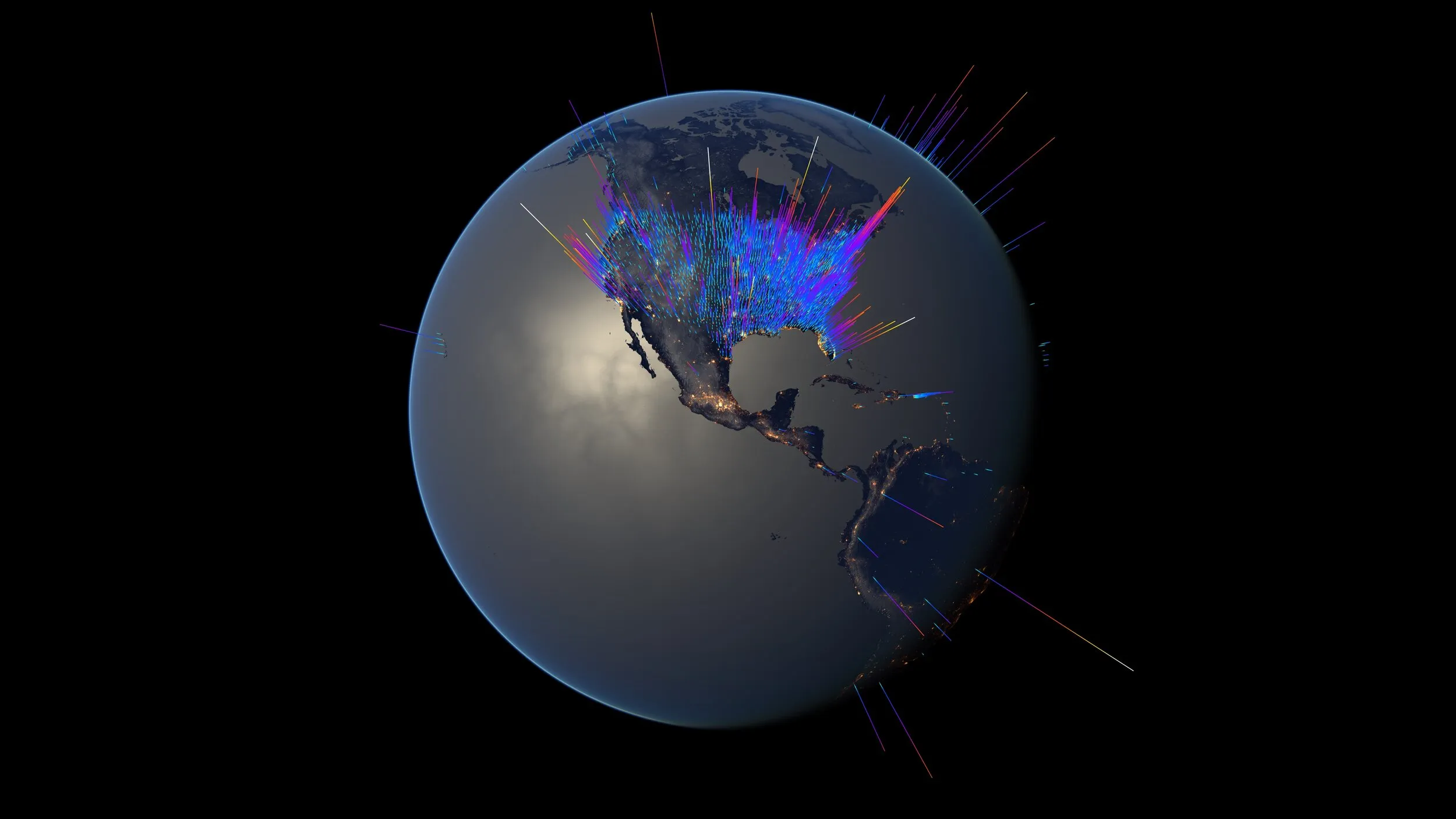
COVID-19 Pandemic (cases) John Hopkins University, Coronavirus Resource Center
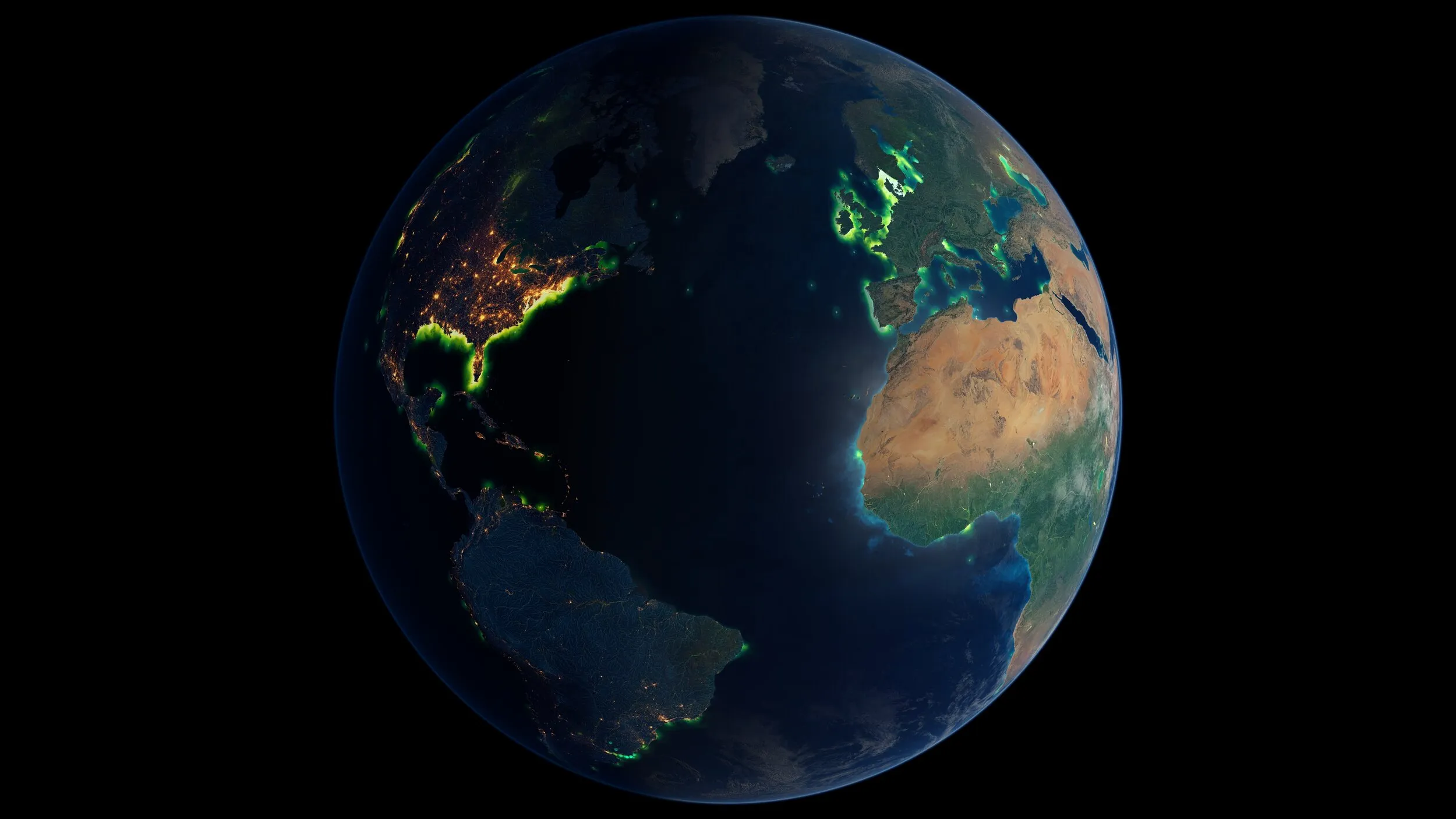
Eutrophication & Hypoxia Harmful Algae Event Database (HAEDAT) Spreading Dead Zones and Consequences for Marine Ecosystems, R. J. Diaz & R. Rosenberg, Science, 2008.
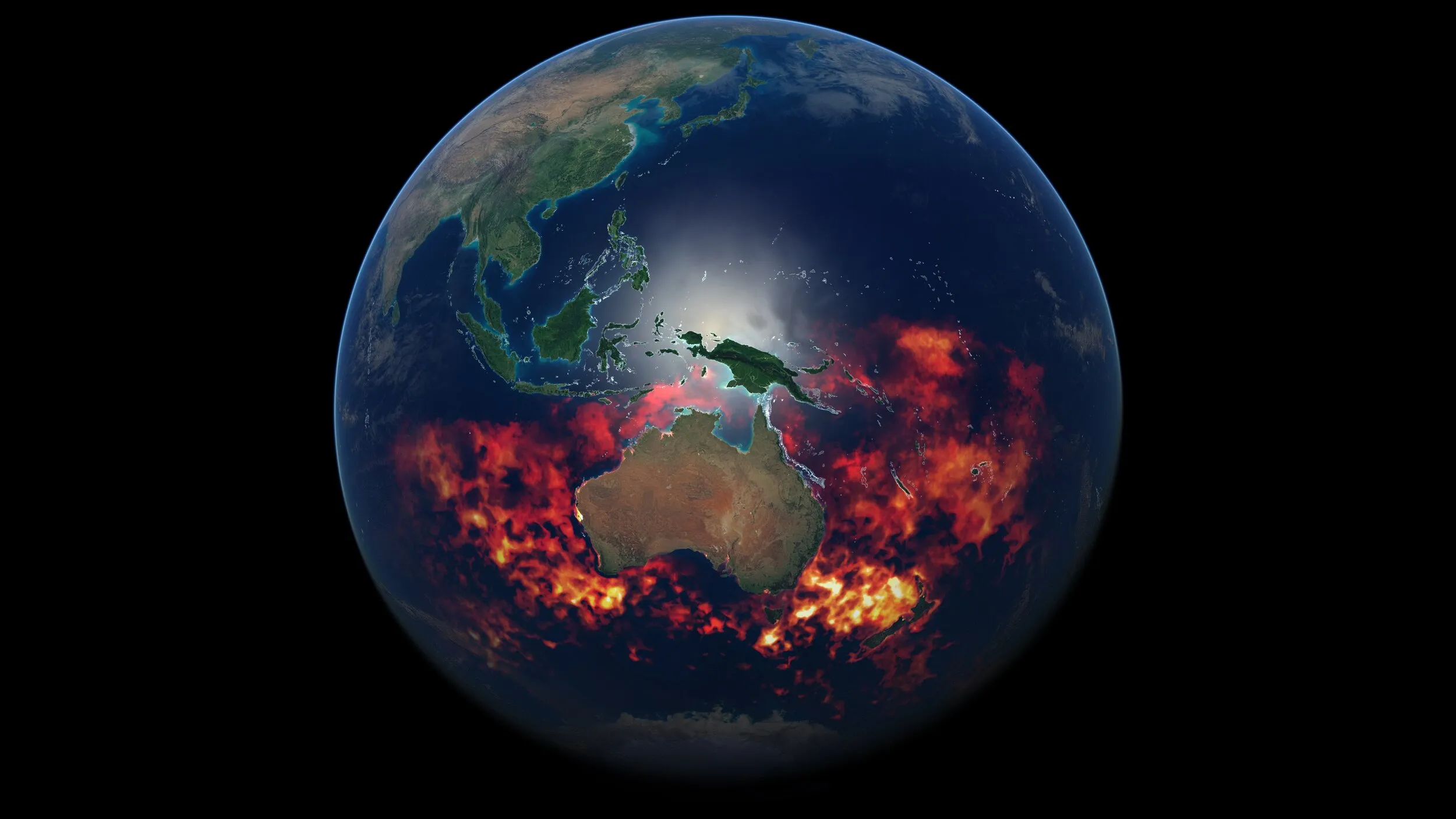
Coral Bleaching Coral Reef Watch Satellite Monitoring
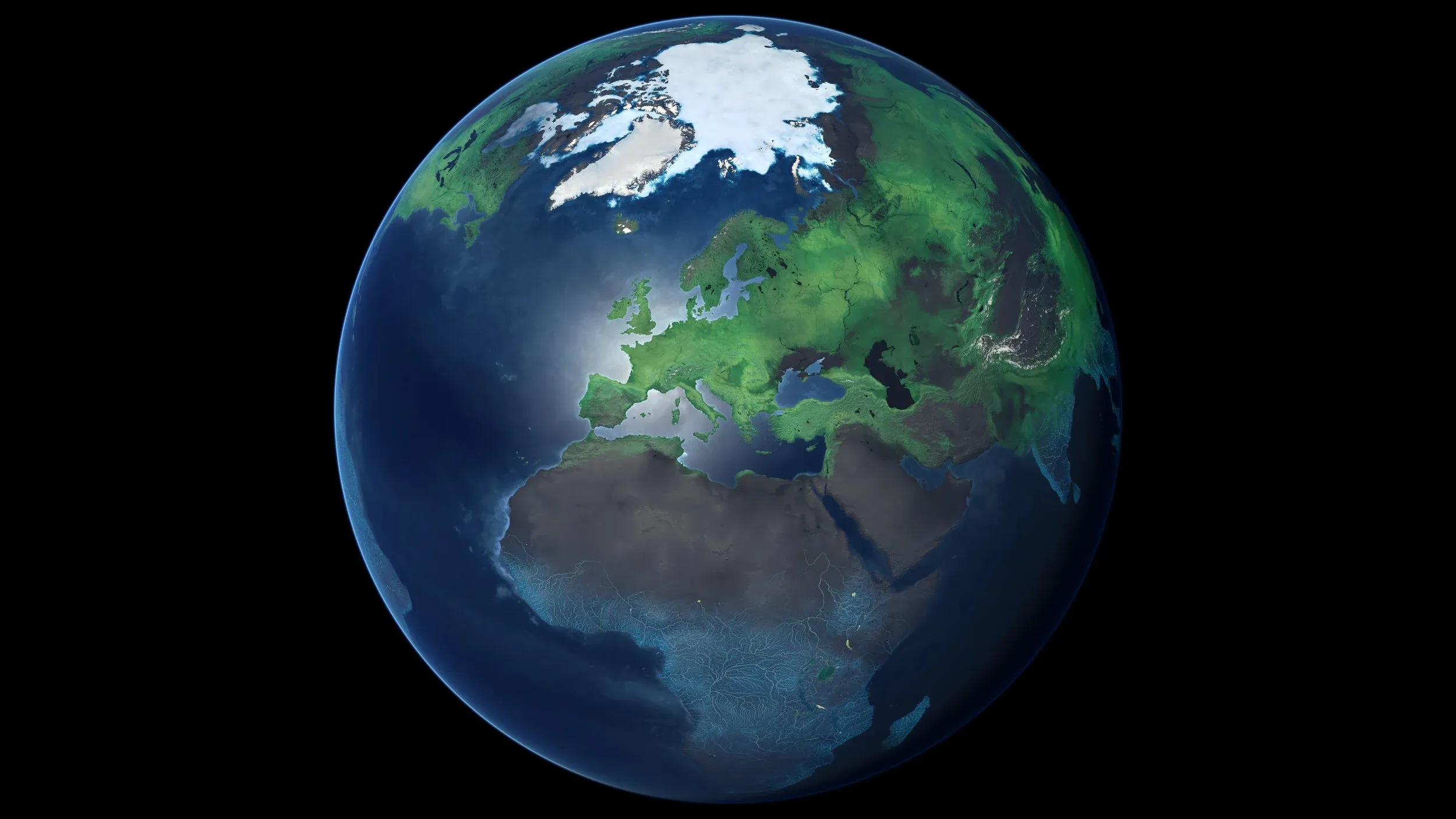
Holocene’s Pillars — Globaïa’s aggregated Holocene Earth
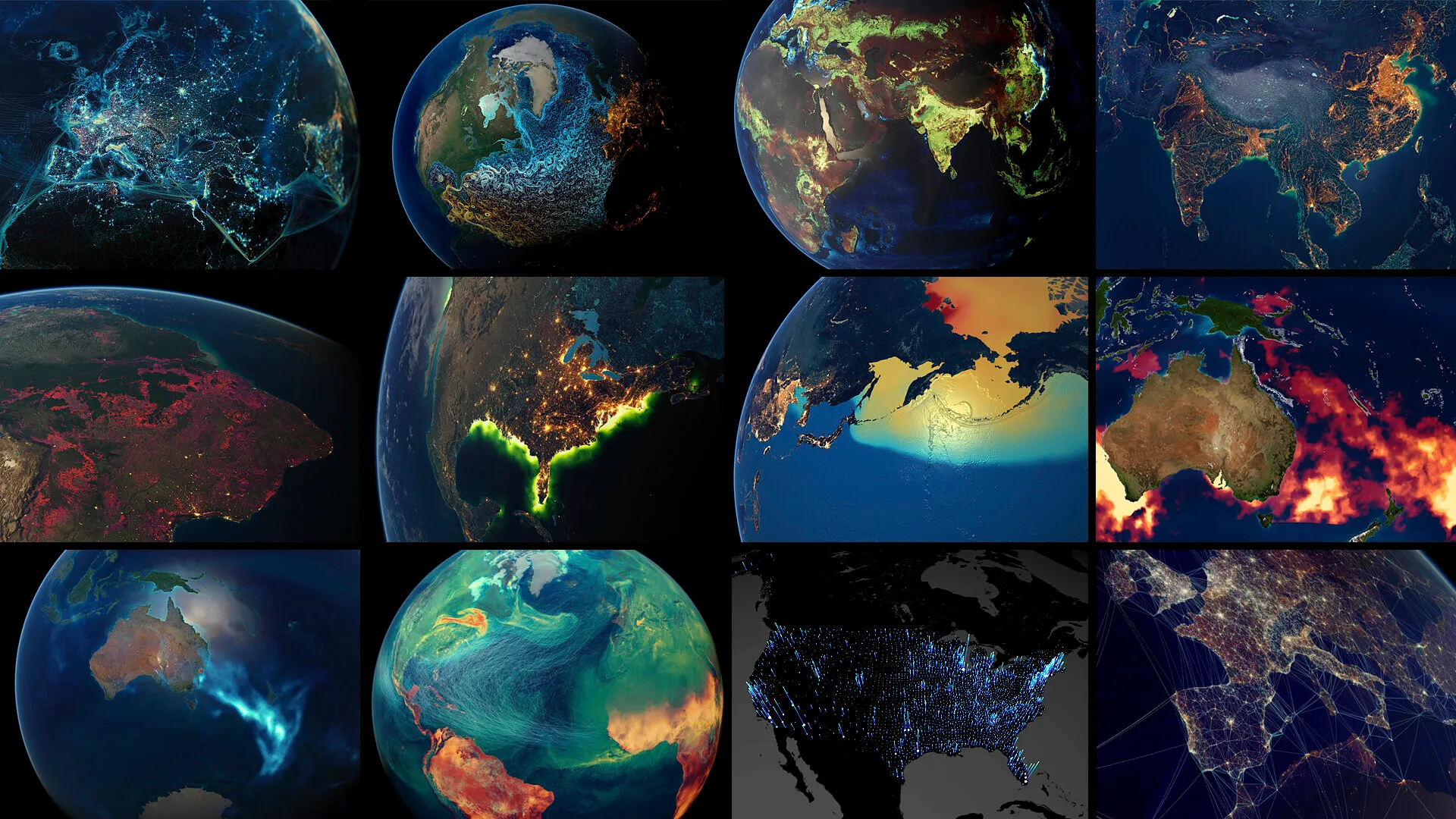
Property of Silverback Films and Globaïa.
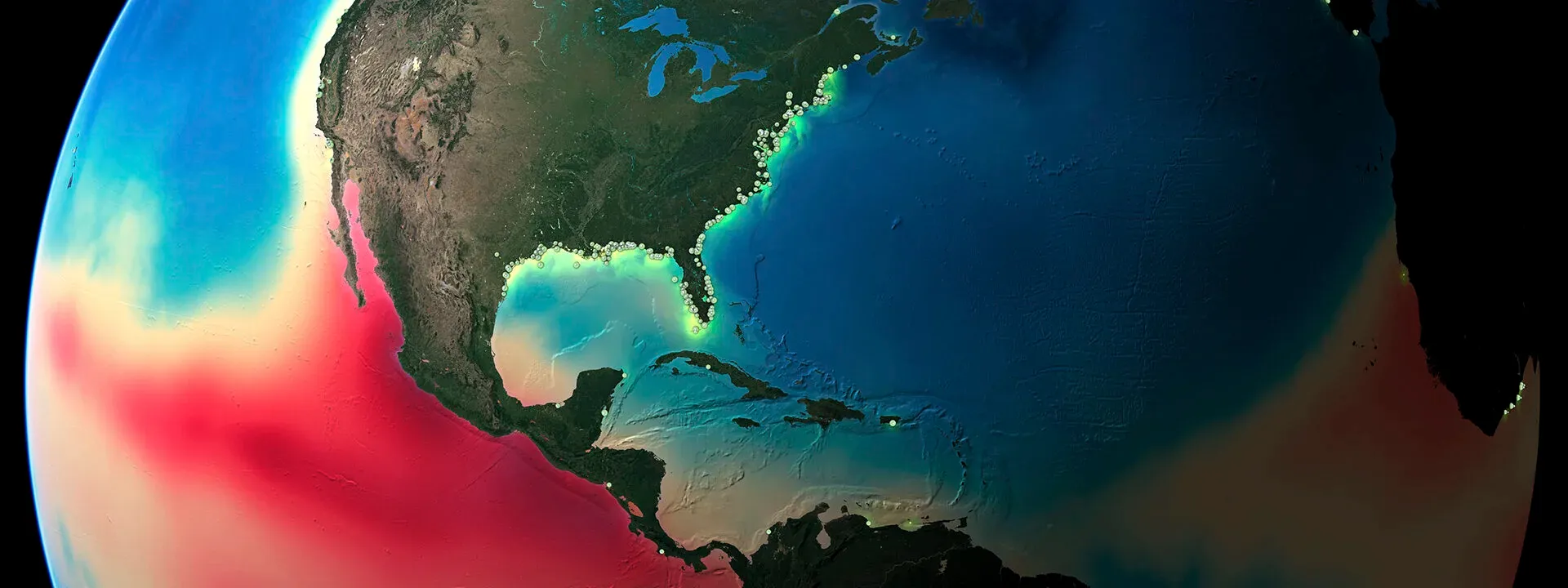
Global Deoxygenation — Harmful Algae Event Database (HAEDAT) Spreading Dead Zones and Consequences for Marine Ecosystems, R. J. Diaz & R. Rosenberg, Science, 2008 Moffitt SE, Moffitt RA, Sauthoff W, Davis CV, Hewett K, Hill TM (2015) Paleoceanographic Insights on Recent Oxygen Minimum Zone Expansion: Lessons for Modern Oceanography. PLoS ONE 10(1): e0115246. https://doi.org/10.1371/journal.pone.0115246
The Book
On the brink of a critical moment in human history, this book presents a vision of “planetary stewardship” — a rethinking of our relationship with our planet — and plots a new course for our future.
The authors reveal the full scale of the planetary emergency we face — but also how we can stabilize Earth’s life support system. The necessary change is within our power, if we act now.
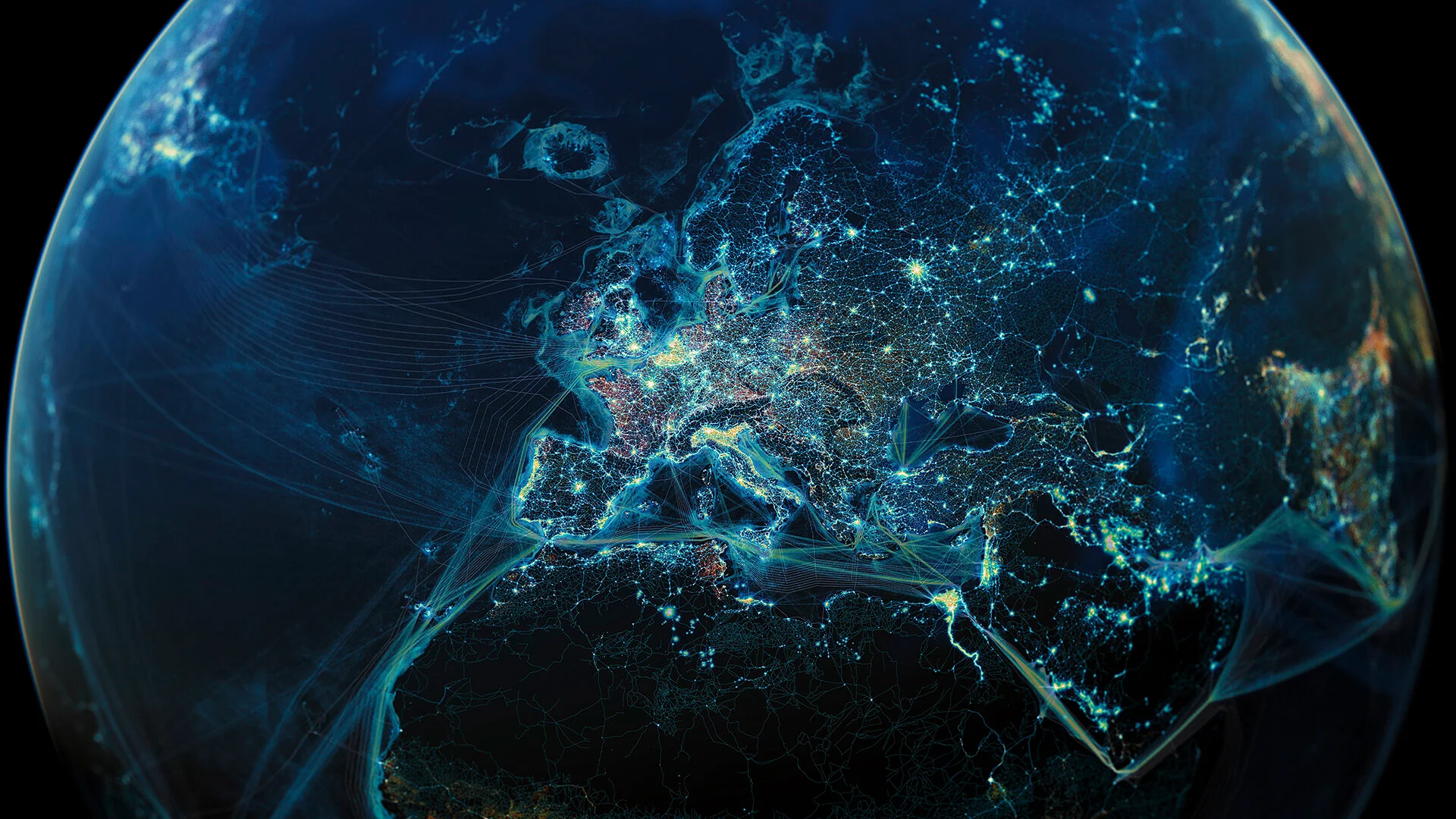
In 2009, scientists identified nine planetary boundaries that keep Earth stable, ranging from biodiversity to ozone. Beyond these boundaries lurk tipping points. In order to stop short of these tipping points, the 2020s must see the fastest economic transition in history. This book demonstrates how societies are reaching positive tipping points that make this transition possible: groups such as Extinction Rebellion and the schoolchildren led by Greta Thunberg demand political action; countries are committing to eliminating greenhouse gas emissions; and one tipping point has even already passed - the price of clean energy has dropped below that of fossil fuels. The story is accompanied by unique images of Earth produced by Globaïa, the world’s leading visualizers of human impact.
See more: Breaking Boundaries: The Science of Our Planet
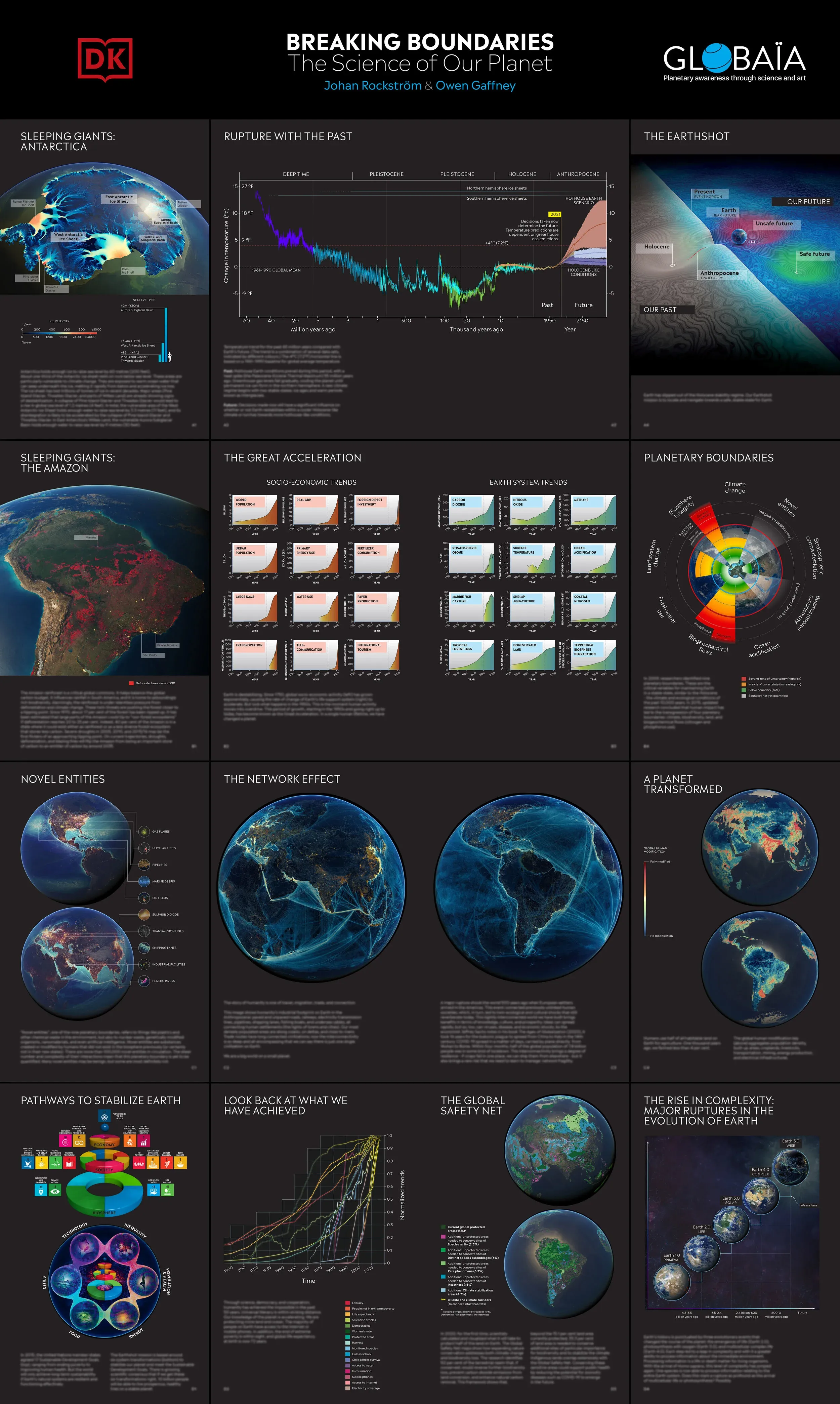
Illustrations for the book Breaking Boundaries: The Science of Our Planet.
Sample Close-Ups
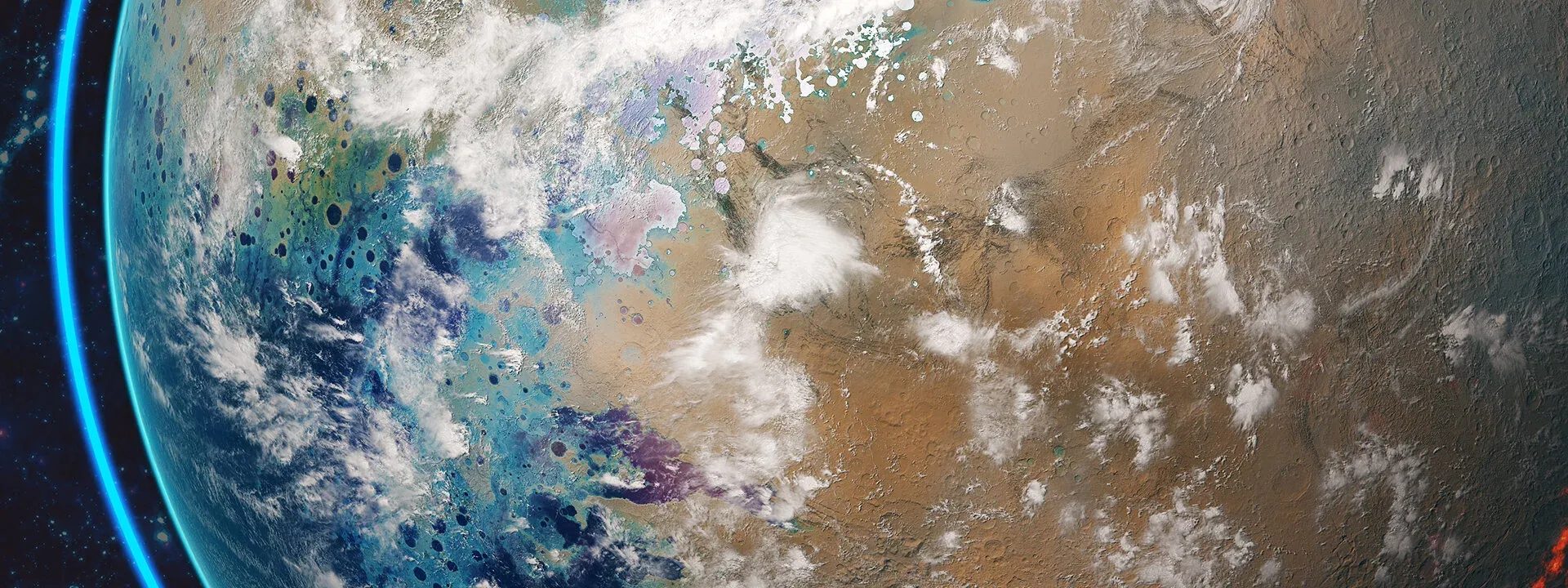
Primeval Earth
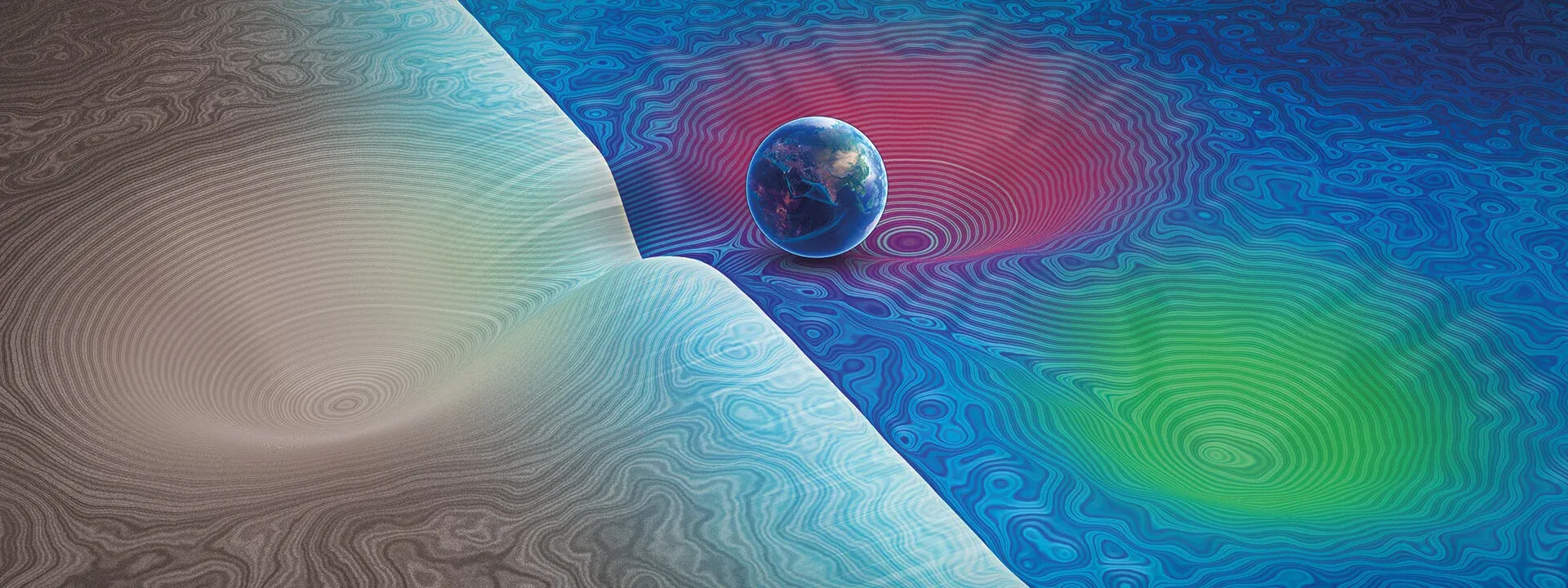
Earth Regimes
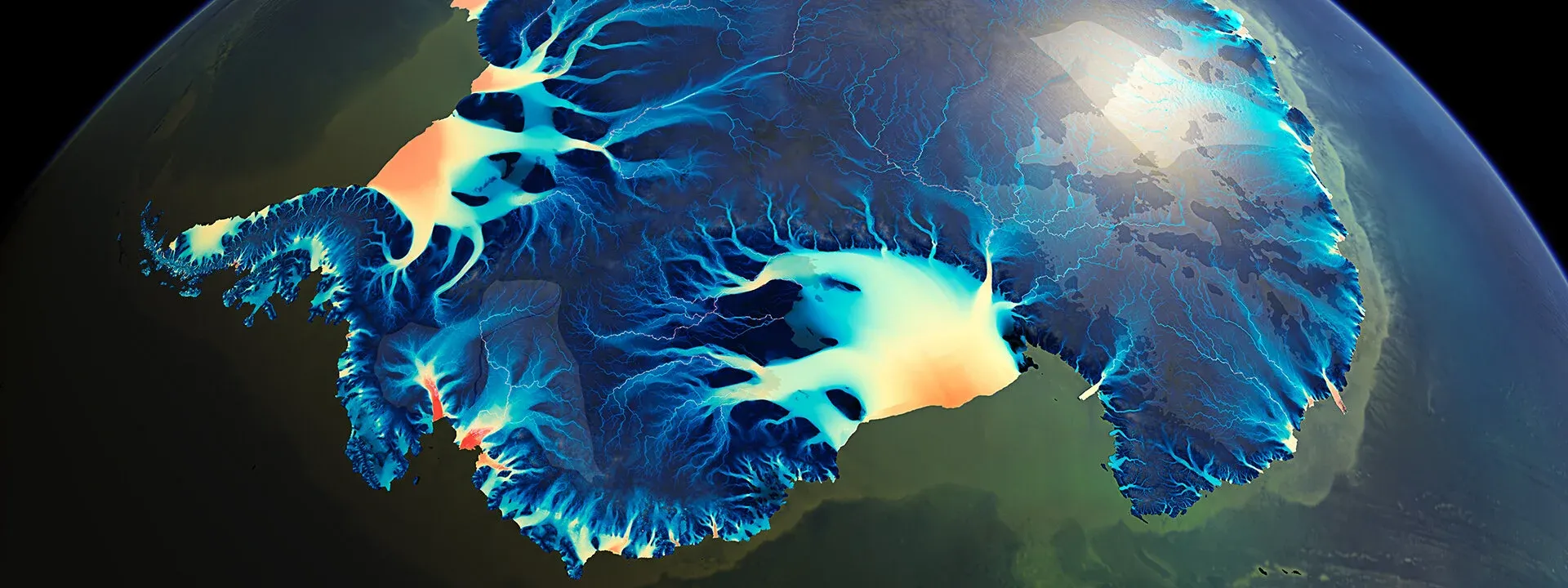
Antarctica Ice Velocity
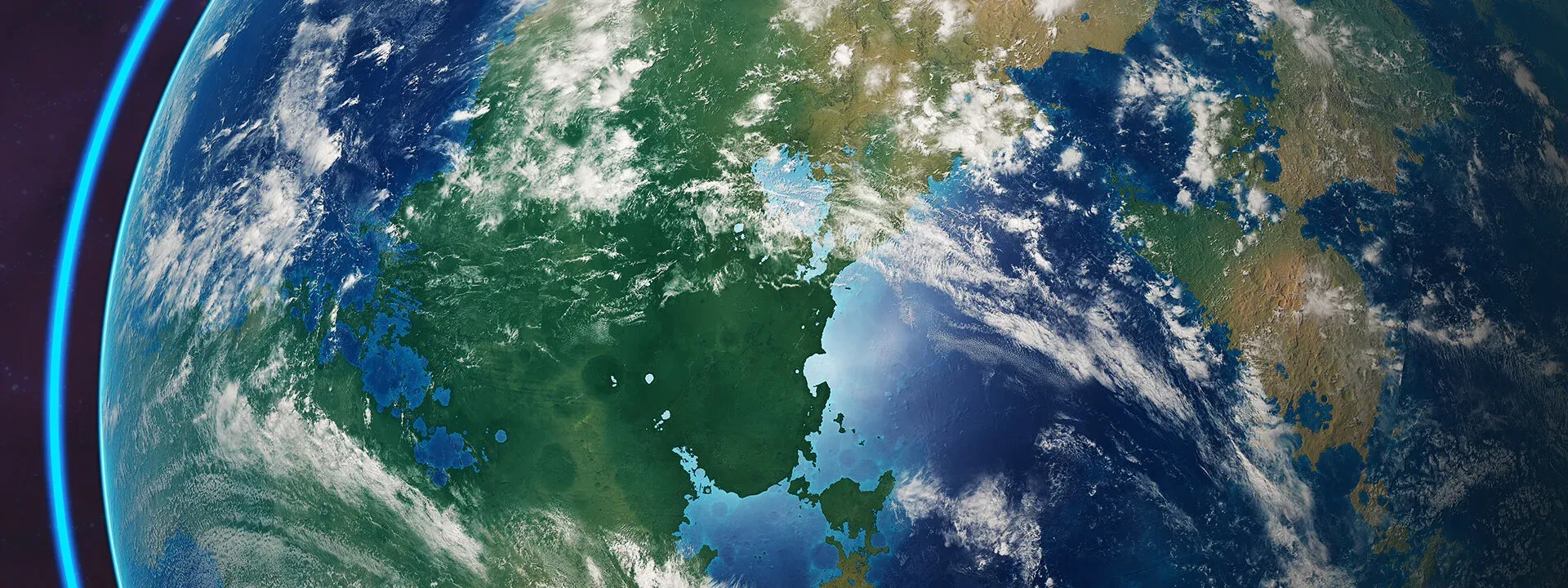
Solar Earth
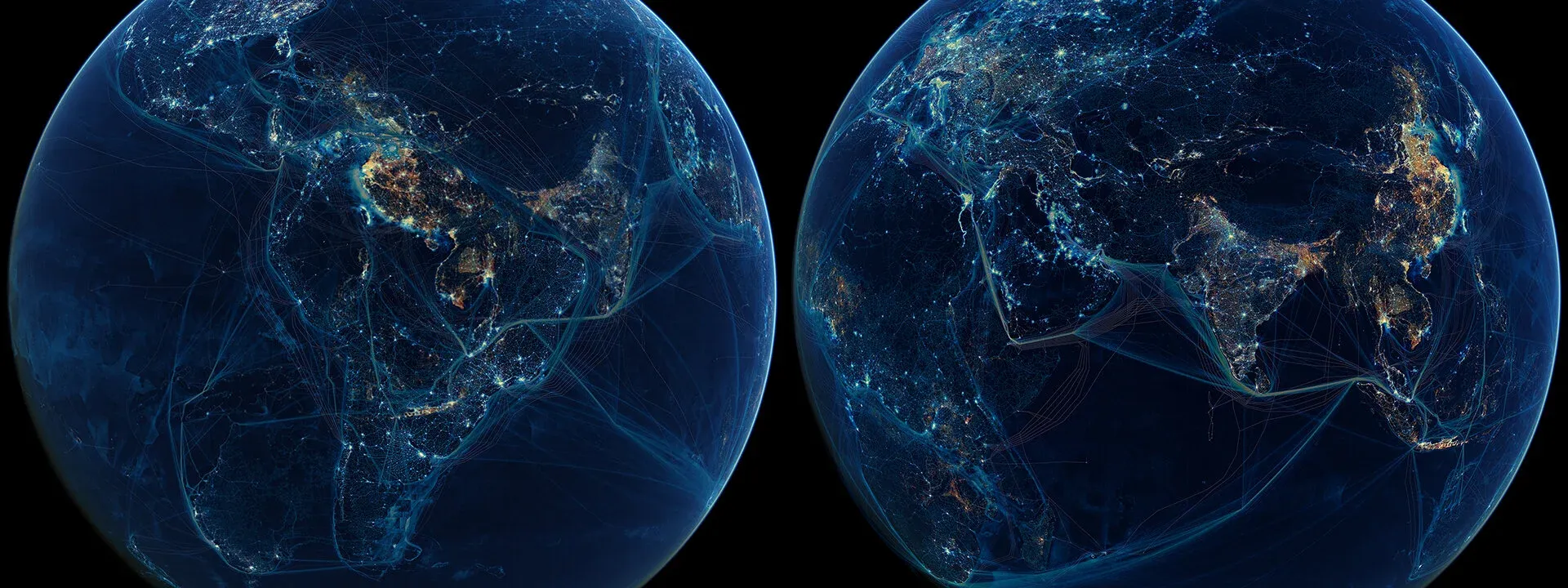
Anthroposphere