Reconnaissance internationale
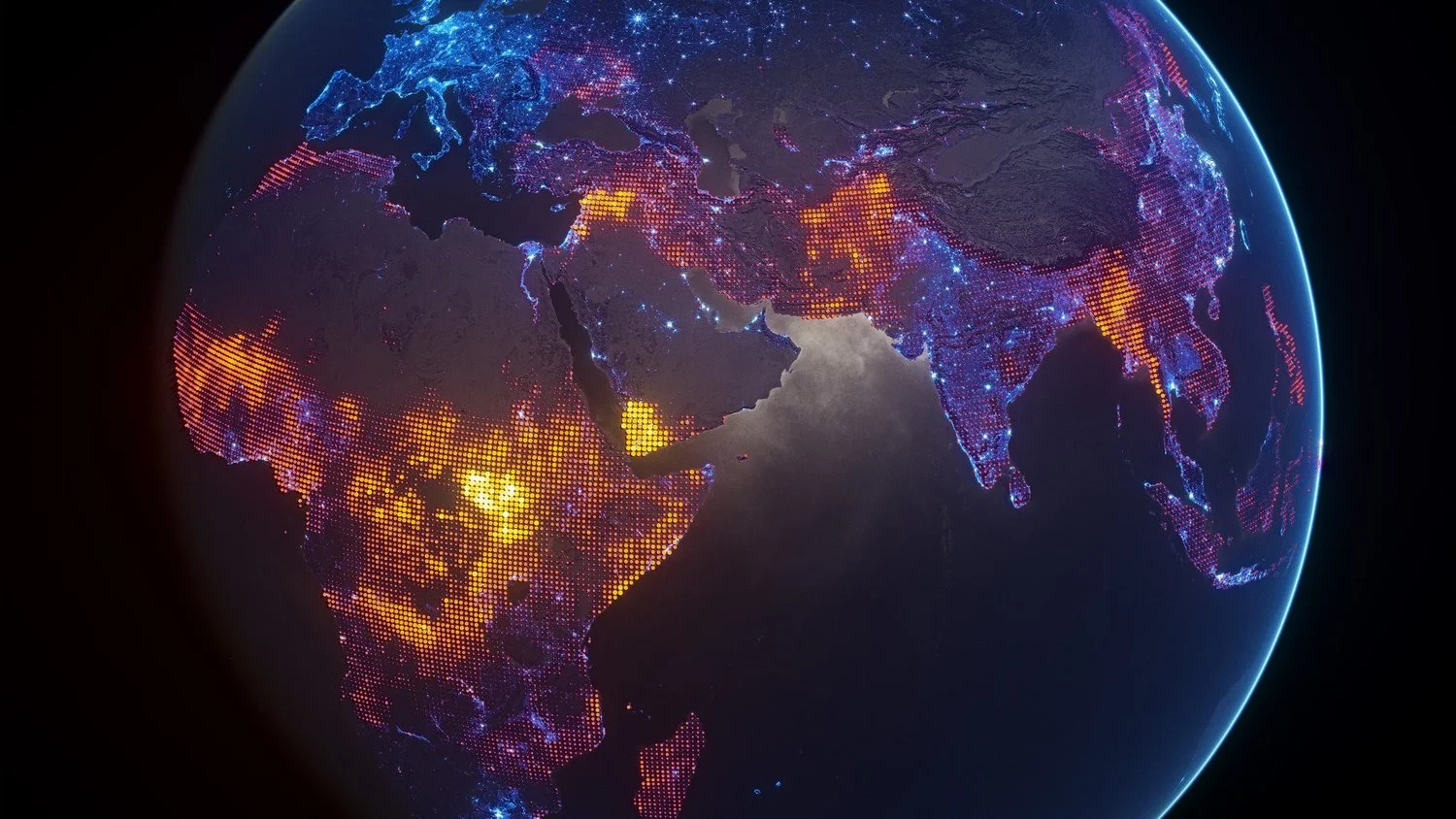
Les représentations visuelles saisissantes de GLOBAÏA sur l’époque de l’Anthropocène et ses répercussions sur les écosystèmes de notre planète ont suscité une vaste reconnaissance internationale. Des revues scientifiques prestigieuses telles que Science et Nature ont mis en lumière notre travail, salué pour sa rigueur d’analyse et la puissance de sa narration visuelle. Des médias de premier plan comme CNN et Gizmodo ont également souligné nos contributions.
Nos récits ont été présentés lors d’événements mondiaux majeurs, notamment l’Assemblée générale des Nations Unies, le Sommet de la Terre Rio+20 et le Forum économique mondial. Par ailleurs, nos images ont paru dans des atlas du National Geographic, orné les couvertures de nombreux ouvrages et figuré dans des documentaires narrés par Sir David Attenborough, diffusés sur des plateformes de premier plan comme Netflix et BBC One.
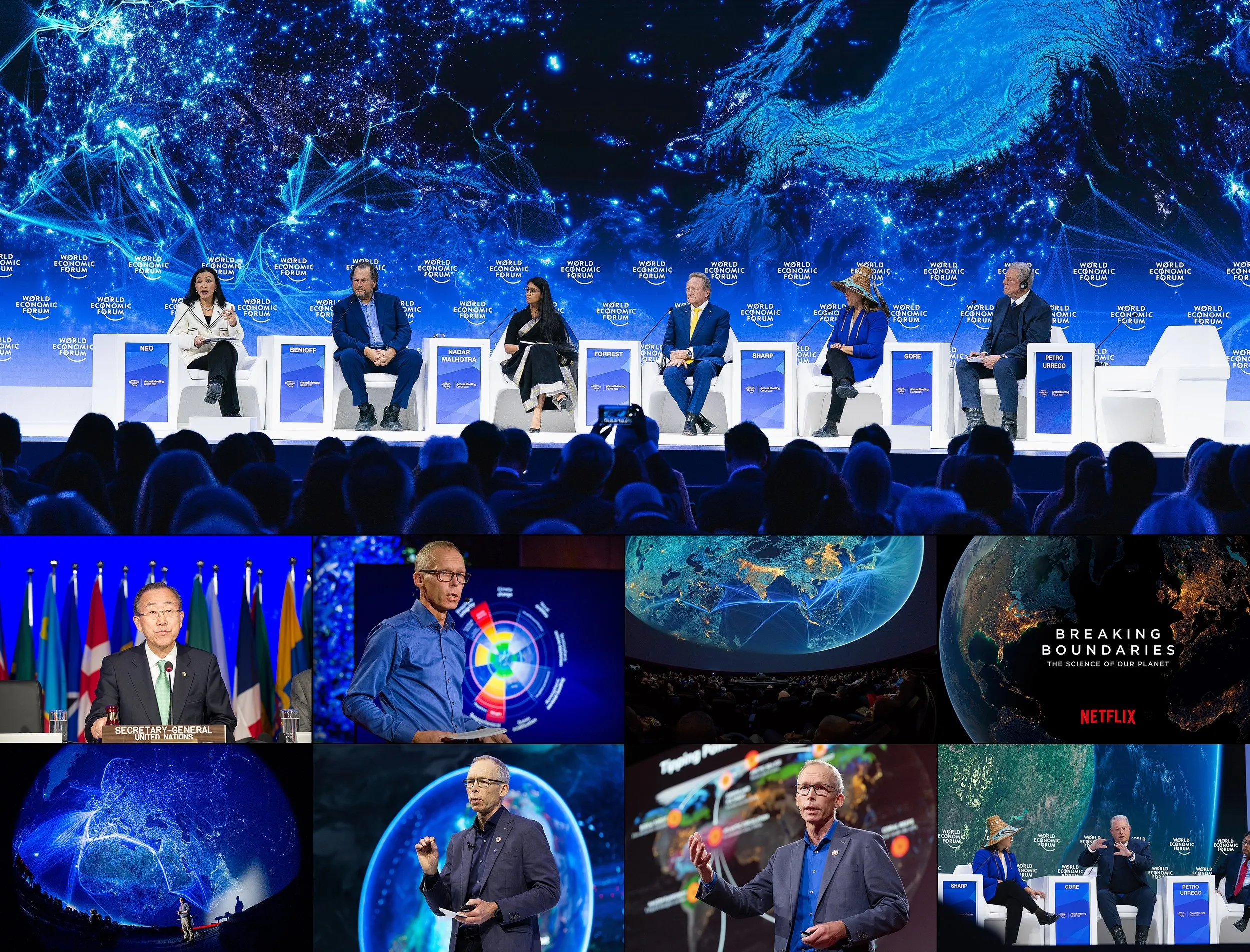
Les visualisations de l’Anthropocène de GLOBAÏA présentées dans des publications et médias internationaux prestigieux
Ce niveau de reconnaissance est pour nous à la fois une source d’humilité et d’inspiration. En rendant nos contenus accessibles et captivants, nous espérons éveiller un sens accru de la responsabilité et de l’urgence quant à la protection de notre environnement et à l’adoption de mesures concrètes face aux enjeux de l’Anthropocène.
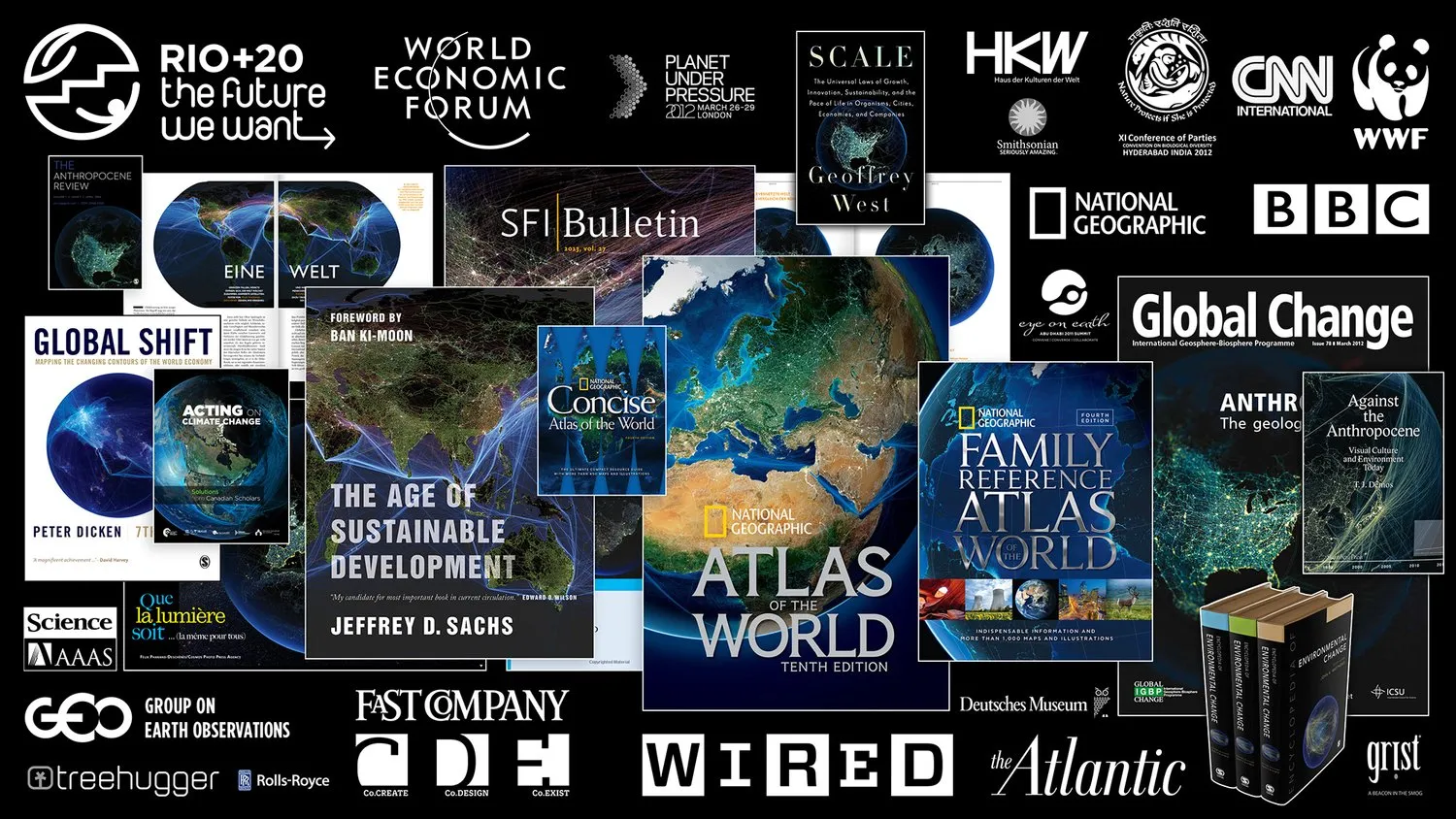
Couverture médiatique internationale du travail de GLOBAÏA, incluant des publications dans Science, Nature, National Geographic, CNN et d’autres médias de premier plan
Témoignages
“GLOBAÏA’s visualizations of the Anthropocene and the planetary boundaries framework are truly iconic. They have made a significant contribution to how we see the planet we live on. GLOBAÏA’s work is more than simply excellent communication. It is helping change how we think: it makes us aware of our planet, and our impact on it, in new ways. Today, this work has never been more important as we navigate towards a safe operating space for humanity.”
Johan Rockström · Directeur du Potsdam Institute for Climate Impact Research (PIK)
“Watch this video ‘Welcome to the Anthropocene’”
Bill Gates · Fondateur de Microsoft et philanthrope
“Oh. Lordy. Watch Anthropocene Mapping in HD fullscreen if you can. ‘What a piece of work is man’ cuts two ways.”
Stephen Fry · Humoriste, acteur et écrivain anglais
“With its videos and maps, GLOBAÏA has invented a new style of visual information aimed at disseminating scientific data on ecological problems. The reproduction of ‘hyperobjects’ with expanded space-time scales represents a real challenge to the traditional representation systems.”
Gaia Bindi · Professeure à l’Accademia di Belle Arti di Firenze
“Your video does the best job I’ve ever seen of showing VISUALLY how pervasive — both widespread and dense — human activity in the biosphere has become.”
Joseph Levine · Co-auteur de Biology, le manuel de biologie le plus utilisé dans les écoles secondaires aux États-Unis
“An interesting video I narrated for the UN and Convention on Biodiversity”
Edward Norton · Acteur et cinéaste
“The world’s leading visualizers of human impact.”
Penguin Random House
“Wow! You guys are incredible. Your video short is a rare combination of packed information and lyrical beauty. Congratulations. Your stunning anthropocene maps are chillingly beautiful, and a phenomenal way to dramatize our impact on the world.”
Paul Salopek · Journaliste, récipiendaire de deux prix Pulitzer
“Your awesome graphics have definitely been getting the Anthropocene message across loud and clear!”
Erle Ellis · Professeur agrégé à la University of Maryland
“Keep up the wonderful work. Such powerful graphic images may do a lot to catch the attention of people confused by global-change-denial propaganda!”
David Christian · Président de l’International Big History Association
“I greatly enjoyed perusing the gallery of Anthropocene maps and am pleased to have contributed to some of them in an indirect way. The maps are both beautiful and make a necessary statement about the human imprint on our planet.”
Tom Patterson · Cartographe au U.S. National Park Service
“I must say, however, that you have beaten us hands down on visualising biodiversity. The image you sent Clinton is just wonderful. Yes, it’s artistically compelling, but what matters most to us is how rich it is scientifically. There’s a lot of information here that will combine to drive scientific study and exploration. Every museum show have sets of these maps on their walls!”
Stuart Pimm · Titulaire de la chaire Doris Duke en écologie de la conservation, Duke University